
The Costly Mistake That Ruins Rare Coins Instantly
Coin collecting is a hobby built around history, craftsmanship, and the excitement of discovering valuable pieces from the past. However, preserving a collection requires careful attention because even a seemingly harmless mistake can permanently damage a coin. One of the most costly mistakes collectors make is cleaning their coins, which can destroy their original surfaces and significantly reduce their market value.
Exploring the Historical Significance of Rare Coins
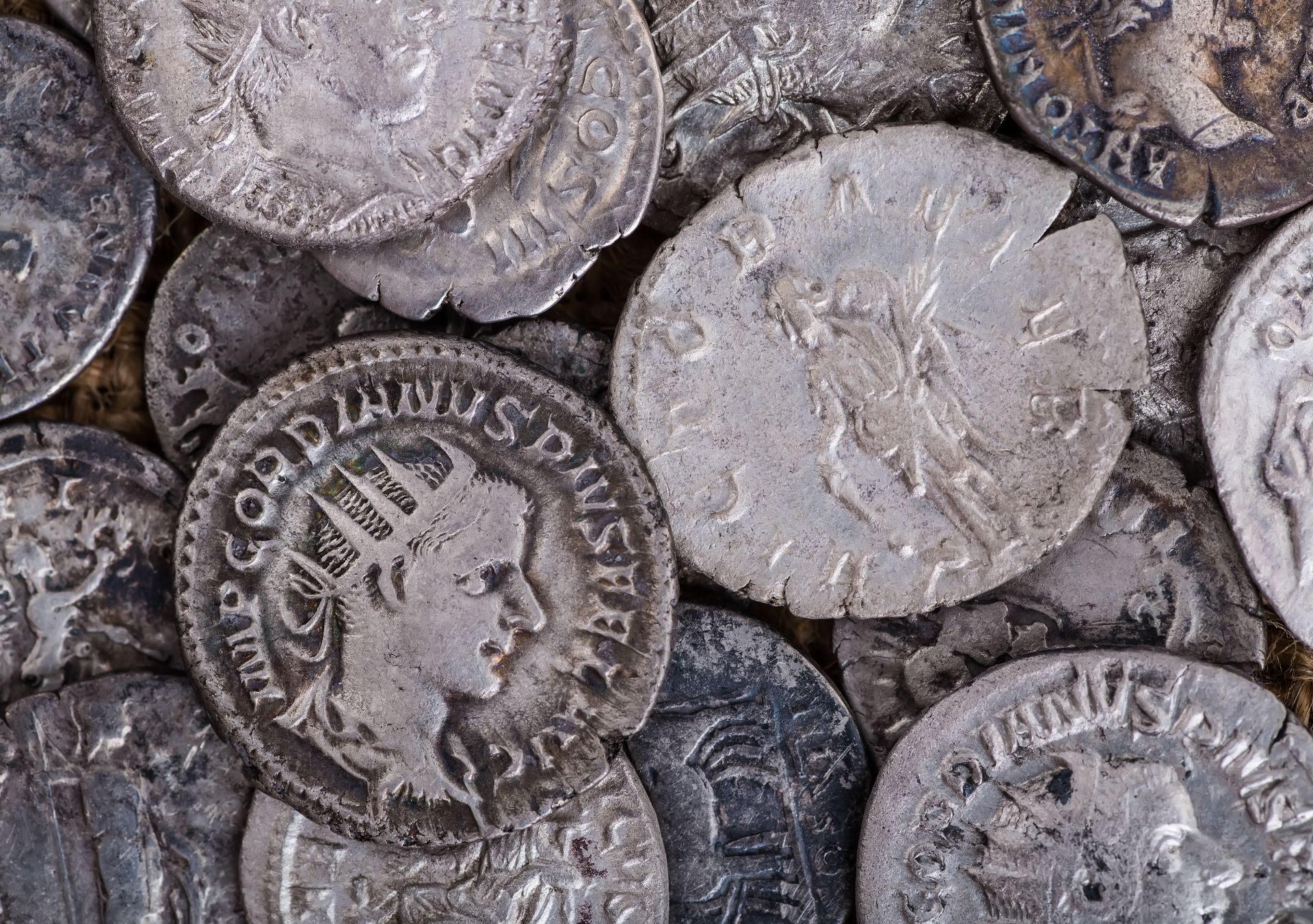
Coins are more than historical currency. They represent the economic systems, cultural traditions, and important events of the civilizations that produced them. From ancient Greece and Rome to more recent periods of American history, each coin offers a glimpse into the past. Collectors appreciate these historical connections, making preservation an important part of maintaining a meaningful collection.
Many coins also feature intricate artwork, inscriptions, and symbols that reflect the craftsmanship of their time. These details provide historical insight while contributing to a coin's overall appeal. Preserving the original surfaces helps protect these features and maintain the authenticity that collectors value.
Coins can also carry personal significance when passed down through generations. Family collections often include pieces that have been preserved for decades, creating connections between relatives and their shared history. Maintaining their original condition protects both their potential financial value and their sentimental importance.
Understanding the Market Value of Rare Coins
Several factors influence the value of rare coins, including scarcity, condition, historical significance, and collector demand. Coins with limited surviving examples often attract considerable interest, particularly when they represent important historical periods or unusual minting characteristics. A coin's desirability can increase substantially when its rarity is combined with excellent preservation.
Condition is especially important because collectors generally place higher values on coins with original surfaces and minimal damage. Professional grading services evaluate factors such as wear, luster, strike quality, and surface preservation. These assessments provide buyers and sellers with a consistent way to understand a coin's condition and compare its market value.
Historical background and documented ownership can also influence a coin's desirability. Pieces connected to significant individuals, events, or periods may attract specialized collectors. Provenance can strengthen confidence in a coin's history and make it more appealing in the marketplace.
The interest in collecting continues across the country. According to Strategic Market Research, there are 9 to 10 million active coin collectors in the United States. This established collecting community contributes to ongoing demand for historically significant and well-preserved pieces.
Identifying Common Mistakes in Coin Handling
Improper storage is one of the most common threats to coin preservation. Fluctuating temperatures, humidity, and exposure to pollutants can gradually damage metal surfaces. Over time, these conditions may contribute to corrosion, discoloration, and other forms of deterioration.
Physical handling can also create unnecessary risks. Oils and contaminants from fingers may leave marks, while accidental drops or contact with hard surfaces can produce scratches and dents. Limiting unnecessary handling helps maintain the original condition of valuable pieces.
Chemical exposure presents another concern. Household cleaning products, airborne pollutants, and other substances can react with the metals used in coin production. These reactions may permanently change a coin's appearance and compromise its collectible value.
A lack of knowledge about proper preservation can make these problems worse. New collectors may not recognize the differences between natural aging, environmental damage, and alterations caused by improper treatment. Understanding these distinctions helps collectors make informed decisions about protecting their collections.
Examining the Dangers of Cleaning Rare Coins
Cleaning is particularly damaging because it can permanently alter a coin's original surface. Collectors may assume that removing tarnish or discoloration will improve its appearance, but these changes are often part of the coin's natural aging process. Removing them can reduce authenticity and make the piece less desirable.
A coin develops a natural surface appearance over time, sometimes including patina or toning. These characteristics can provide evidence of its age and history. When cleaning removes or disrupts these surfaces, the resulting appearance may be considered less desirable by professional graders and experienced collectors.
Abrasive treatments can also leave microscopic scratches known as hairlines. These marks may be difficult to notice without magnification, but they can significantly affect a coin's grade. Even when a coin appears brighter after treatment, its underlying condition may have become considerably worse.
Chemical treatments create additional concerns because they can strip metal surfaces or produce unnatural discoloration. The damage may not always be immediately obvious, but experienced buyers and grading professionals can often recognize signs of improper cleaning. Once a coin has been altered, restoring its original surface is generally impossible.
The financial consequences can be substantial. A valuable coin that has been polished or improperly treated may sell for considerably less than an otherwise comparable example with untouched surfaces. For collectors building collections of rare coins, avoiding unnecessary cleaning is one of the most important preservation decisions they can make.
Implementing Proper Preservation for Rare Coins
Appropriate storage plays an essential role in maintaining a coin's condition. Protective holders, archival-quality albums, and specialized coin capsules help reduce exposure to contaminants and physical contact. Choosing materials designed specifically for long-term coin storage can help prevent unnecessary deterioration.
Environmental stability is equally important. Excessive humidity and temperature fluctuations can accelerate chemical reactions and contribute to surface damage. Keeping collections in controlled environments helps preserve their appearance and reduces exposure to potentially harmful conditions.
Professional grading and authentication can provide additional protection. Reputable grading organizations examine coins for authenticity, condition, and signs of alteration. Their evaluations can help collectors understand what they own while providing greater confidence when buying or selling valuable pieces.
Protective holders also reduce the risks associated with handling. Encapsulation allows collectors to view their coins without repeatedly exposing the surfaces to fingerprints, contaminants, or accidental contact. These preservation measures are especially valuable for rare coins with significant historical or financial importance.
Consulting Professionals About Rare Coins
Experienced numismatists can help collectors understand the condition, authenticity, and potential value of their collections. Their knowledge is particularly useful when evaluating older coins, unusual minting errors, and pieces with uncertain histories. Professional assessments can also help distinguish natural toning from damage caused by improper cleaning or environmental exposure.
Historical preservation specialists provide another valuable perspective. Their work emphasizes maintaining original materials and protecting historically significant objects from unnecessary alteration. This approach is especially relevant to coins because their surfaces contain important evidence of age, production, and historical use.
Professional evaluations can also help collectors make informed decisions when purchasing or selling valuable pieces. Market demand changes over time, and different categories of coins may experience fluctuations in popularity. Understanding these factors allows collectors to assess their holdings more confidently.
Education remains an important part of successful collecting. Numismatic publications, professional organizations, coin shows, and educational events provide opportunities to learn about grading standards, market developments, and preservation practices. Building relationships with knowledgeable professionals can also help collectors avoid expensive mistakes when buying or maintaining rare coins.
Maintaining the Long-Term Value of Rare Coins
Protecting a coin collection requires patience and an understanding of how easily original surfaces can be damaged. Cleaning may seem like a simple way to improve appearance, but it can permanently reduce a coin's authenticity and market appeal. Leaving coins in their original condition is generally the safest approach unless a qualified conservation professional determines that specialized treatment is appropriate.
Collectors should also consider professional authentication, suitable storage, and periodic evaluations when managing valuable pieces. These measures help protect important historical objects while supporting informed decisions about their long-term value. Careful preservation ensures that collections remain meaningful and desirable for future generations.
Center Gold Jewelers can help collectors explore the value and significance of their coins while providing knowledgeable assistance with their jewelry and precious metal interests. Whether you are evaluating an inherited collection, considering an acquisition, or seeking professional guidance about rare coins, contact Center Gold Jewelers to learn more about protecting and appreciating your valuable collectibles.



Share On: