
How to Choose Your Own Custom Jewelry
Jewelry is often more than a decorative accessory. It can represent personal milestones, meaningful relationships, and individual style. While ready-made pieces offer convenience, custom jewelry allows people to participate in the design process and create something that reflects their preferences. From selecting gemstones and metals to choosing unique settings, personalized designs provide opportunities to create meaningful pieces for everyday wear or special occasions.
Choosing custom jewelry involves several important decisions, including design, materials, budget, and craftsmanship. Working with an experienced jewelry store can make the process easier by providing guidance on available options and helping customers understand how their choices affect the finished piece. Knowing what to expect allows buyers to approach the experience with confidence.
Understanding the Benefits of Custom Jewelry
Creating a Piece That Reflects Personal Style
One of the main advantages of custom jewelry is the ability to create a design that feels personal. Rather than selecting from existing inventory, customers can choose details such as metal color, gemstone shape, setting style, and decorative elements. These decisions help create a finished piece that complements individual preferences.
Custom designs can range from simple modifications to completely original creations. Some customers prefer minimalist pieces with understated details, while others want intricate designs featuring multiple gemstones or personalized engravings. Understanding personal style before beginning the process helps narrow the available options and establish a clear design direction.
Celebrating Meaningful Occasions
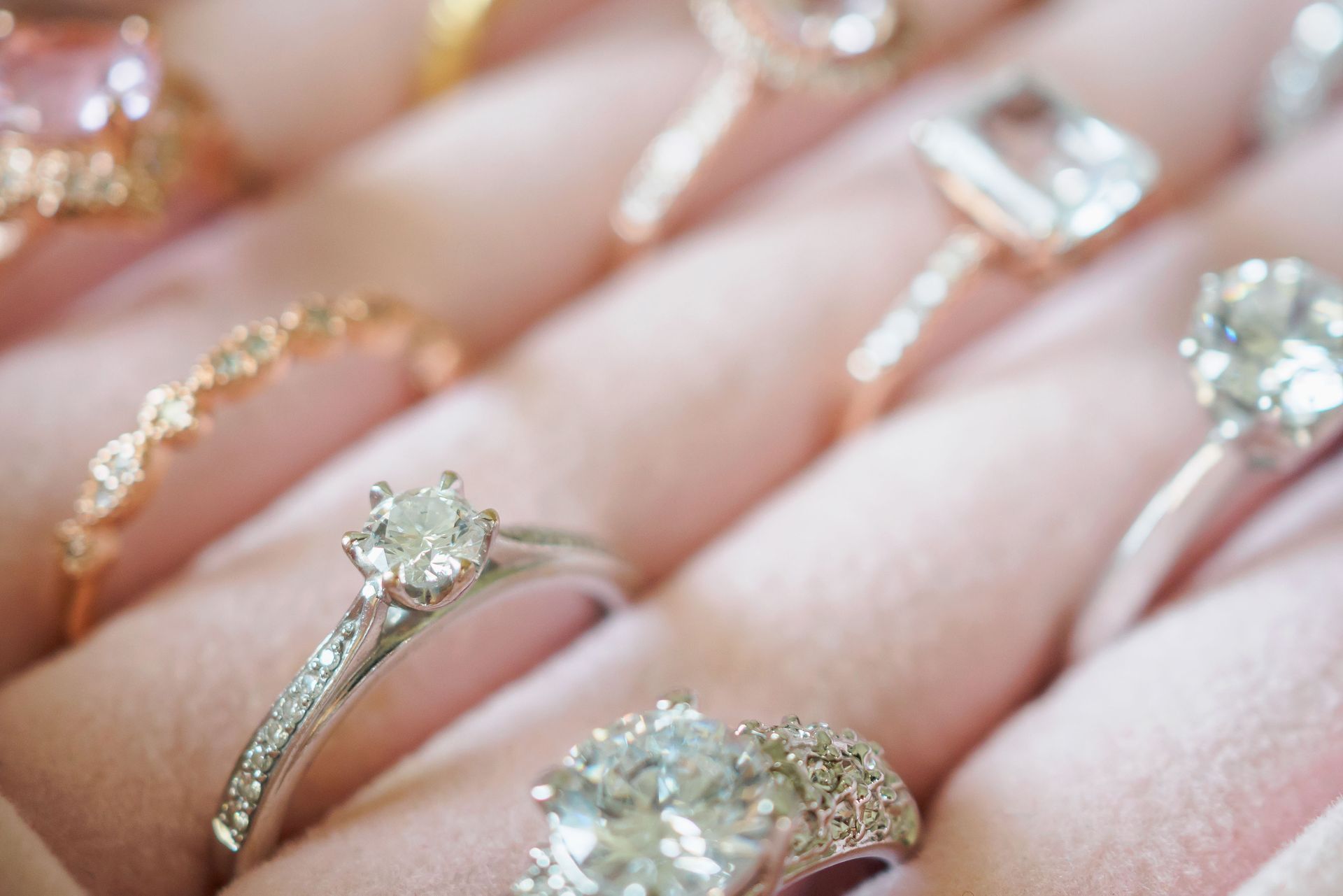
Custom jewelry is frequently associated with engagements, anniversaries, birthdays, and other personal milestones. According to 360 Research Reports, customized rings account for nearly 42% of all custom jewelry purchases due to milestone gifts, while necklaces, bracelets, and earrings maintain steady demand.
These preferences reflect the emotional significance that personalized pieces can carry. A ring might incorporate a meaningful gemstone, while a necklace could feature initials or an important date. Creating jewelry around a particular occasion allows customers to choose details that represent the memories or relationships they want to celebrate.
Establishing a Budget Before Designing
Understanding Material and Labor Costs
The cost of custom jewelry depends on several factors, including metal selection, gemstone quality, design complexity, and production methods. Precious metals such as gold and platinum generally cost more than many alternative materials, while gemstone prices vary according to their characteristics and availability.
Intricate settings, hand engraving, and specialized craftsmanship can also increase expenses. Customers should establish a realistic budget before beginning the design process and communicate their expectations clearly. A reputable jewelry store can explain available options and help identify materials that meet both aesthetic preferences and financial considerations.
Prioritizing Important Design Features
Creating a custom piece often involves balancing desired features with available resources. Customers may need to decide whether gemstone size, metal quality, or decorative details matter most. Identifying these priorities early can prevent unnecessary revisions and keep the project aligned with its original purpose.
For example, someone designing an engagement ring might prioritize a particular gemstone shape while choosing a simpler setting. Another customer may prefer an elaborate metal design with a smaller center stone. Understanding these trade-offs makes it easier to allocate the budget toward features that provide the greatest personal value.
Choosing the Right Metals and Gemstones
Comparing Precious Metal Options
Metal selection influences a piece's appearance, durability, maintenance requirements, and overall cost. Yellow gold offers a traditional appearance, while white gold provides a lighter finish that complements many gemstone colors. Rose gold has a warmer tone, and platinum is valued for its density and resistance to corrosion.
Different metals also have varying hardness levels and maintenance requirements. White gold, for example, may require periodic replating when finished with rhodium. Customers should consider skin sensitivities, daily activities, and expected wear when comparing materials.
A knowledgeable jewelry store can explain these differences and help customers select a metal suitable for their preferred design and lifestyle.
Selecting Gemstones for Appearance and Durability
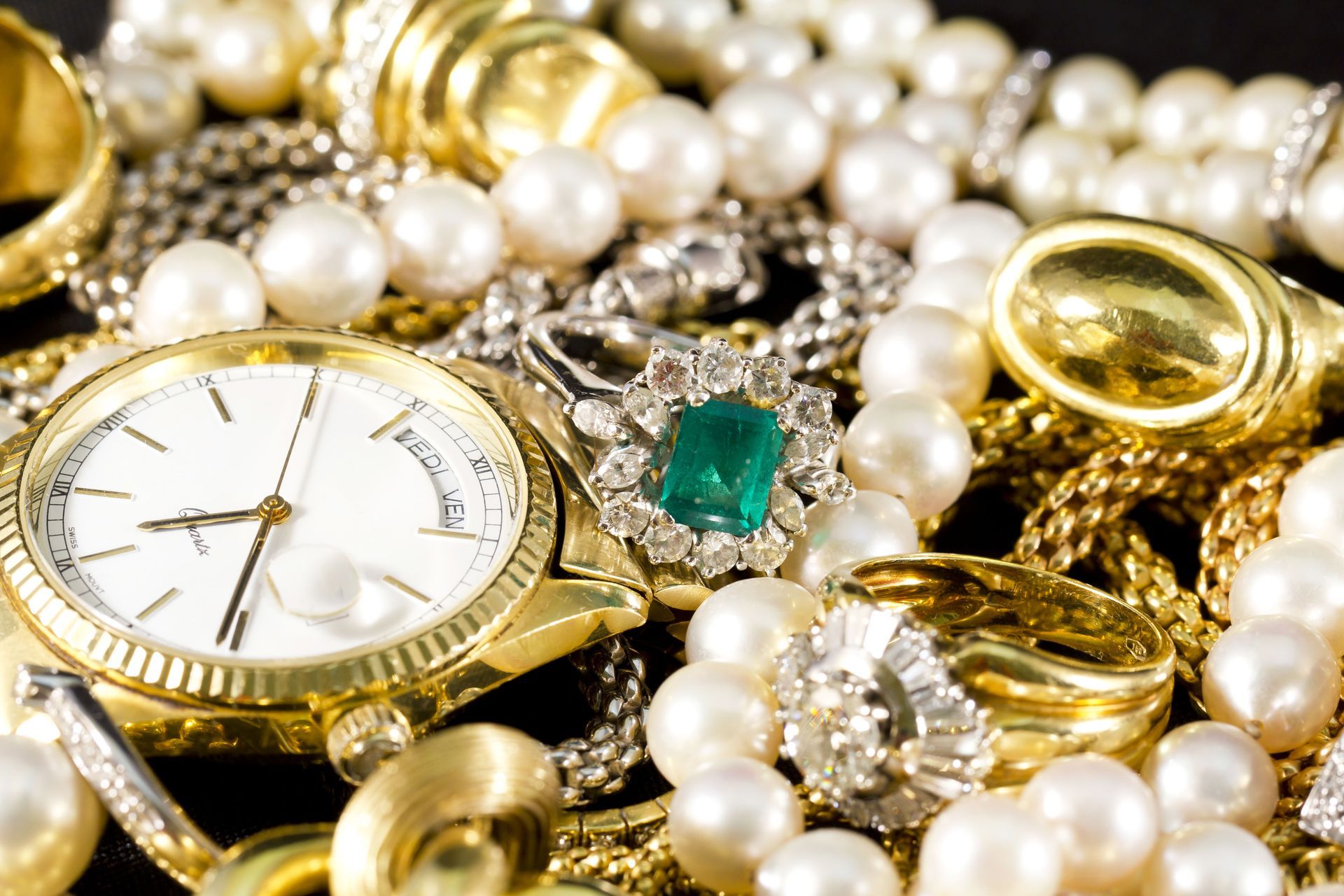
Gemstones contribute color, character, and visual interest to custom designs. Diamonds, sapphires, rubies, emeralds, and other stones provide different combinations of brilliance, color, and durability. Some gemstones are better suited to frequent wear, while others require additional protection against scratches or impacts.
Customers should consider gemstone hardness, toughness, clarity, and care requirements before making a selection. For diamonds, the four Cs—cut, color, clarity, and carat weight—provide a useful framework for evaluating characteristics.
Natural and laboratory-grown gemstones may also be available, depending on the desired material. Understanding their differences helps buyers make informed choices that match their preferences.
Developing a Personalized Jewelry Design
Gathering Inspiration and Design Ideas
The custom design process often begins with collecting inspiration. Customers may reference existing jewelry, photographs, family heirlooms, or specific artistic styles. These examples help communicate preferences regarding proportions, shapes, textures, and decorative elements.
Bringing several reference images to a consultation can make discussions more productive. Customers should explain which details they appreciate rather than expecting every element from multiple examples to appear in one design.
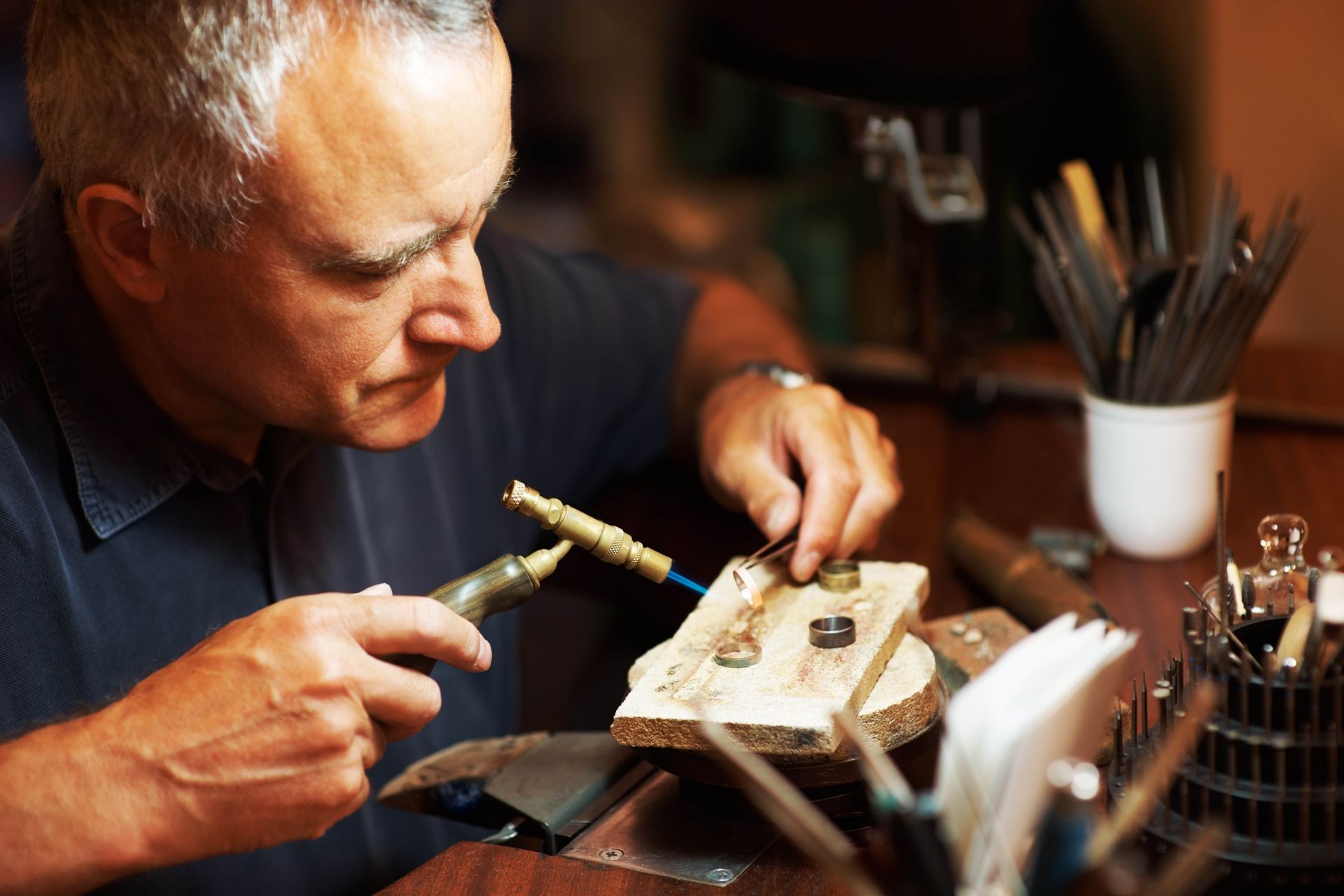
An experienced designer can evaluate these ideas and recommend adjustments that improve comfort, structural integrity, and overall appearance. This collaborative process helps transform an initial concept into a practical design.
Reviewing Sketches and Digital Models
Once a design direction is established, the jewelry store may provide sketches, computer-aided design renderings, or physical models. These representations allow customers to examine proportions and identify details they want to modify before production begins.
Digital models can be particularly helpful for understanding how gemstones, settings, and metal components will fit together. However, rendered images may not perfectly represent the finished piece's color or surface appearance.
Customers should review the design carefully and ask questions about dimensions, gemstone placement, and wearability. Confirming these details before final approval can help prevent misunderstandings and costly revisions.
Considering Comfort and Everyday Wear
Choosing Practical Settings and Dimensions
An attractive design should also feel comfortable during regular use. Rings with high-profile settings may catch on clothing or other objects, while delicate chains can be more vulnerable to damage during physical activities. The ideal design depends on how frequently the jewelry will be worn.
Customers planning an everyday piece may prefer secure gemstone settings, smooth edges, and manageable dimensions. Those choosing jewelry for occasional wear may have greater flexibility with elaborate designs.
Discussing daily habits and comfort preferences with a designer helps ensure that the finished piece is suitable for its intended purpose.
Ensuring Proper Fit and Balance
Correct sizing is particularly important for rings and bracelets. Finger measurements can change with temperature, activity, and other factors, making professional sizing useful before production. The width of a ring band can also influence how it fits.
Necklace length, pendant weight, and earring dimensions deserve similar attention. A large pendant may require a stronger chain, while heavier earrings can become uncomfortable during extended wear.
Working with a jewelry store that provides fitting guidance can help customers select appropriate dimensions and avoid preventable comfort issues.
Caring for Custom Jewelry Over Time
Maintaining the Finished Piece
Proper care helps preserve custom jewelry's appearance and condition. Cleaning requirements vary by metal and gemstone, so customers should follow recommendations appropriate to their specific materials. Some stones can be damaged by harsh chemicals, ultrasonic cleaning, or sudden temperature changes.
Regular inspections can help identify loose settings, worn prongs, or damaged clasps. Professional cleaning and maintenance may also be appropriate for pieces worn frequently.
A
jewelry store can provide care recommendations based on the finished design and explain when professional attention may be necessary.
Creating Jewelry That Reflects Your Personal Style
Choosing custom jewelry involves more than selecting an attractive design. Material quality, craftsmanship, comfort, budget, and long-term maintenance all contribute to the finished piece's value. By understanding each stage of the process, customers can make thoughtful decisions that reflect their preferences and intended use.
Whether creating an engagement ring, commemorative necklace, or personalized bracelet, professional guidance can help turn a meaningful idea into a wearable design.
Ready to bring your custom jewelry vision to life? Contact Center Gold Jewelers today to discuss your design ideas, explore personalized jewelry options, and take the first step toward creating a meaningful piece that reflects your individual style.











Share On: