
How to Turn Your Coin Collecting Hobby into a Profitable Investment
Transforming a passion for gathering historical currency into a lucrative financial enterprise requires strategic planning, continuous market research, rigorous preservation standards, and disciplined portfolio management. What begins as a personal pastime can quickly evolve into a high-yielding tangible asset business when approached with corporate rigor. By focusing on asset preservation, precise professional grading standards, strategic diversification, and smart market positioning, you can confidently transition from a casual coin enthusiast into a highly profitable numismatic investor.
Understanding Market Demands and Historical Value Trends
Successful numismatic investors recognize that not every old piece of currency carries financial potential on the secondary market. According to Numismatic News, approximately 17 percent of collectors view coin gathering as a core hobby, but only a fraction approach it with a systematic business mindset. Building a profitable venture out of collecting requires examining long-term sales data, tracking subtle shifts in collector interest, and identifying which specific historical series consistently appreciate over time regardless of broader economic volatility.
Understanding historical mintage figures, metal purity, and long-term popularity enables you to focus your acquisition budget strictly on items with strong, proven resale demand. Market trends often reflect broader macroeconomic conditions, where investor interest shifts fluidly between pure precious metal content and historical numismatic value. During periods of economic uncertainty, tangible assets often see increased interest as safe-haven holdings. By staying informed on legislative changes, mint production caps, and global bullion demands, you can anticipate price movements long before they manifest in retail catalogues.
Furthermore, evaluating historical trends allows you to set realistic profit timelines and holding periods. Partnering with industry experts helps you identify underlying demand trends early, ensuring that your working capital is systematically directed toward high-growth opportunities rather than stagnant collectibles.
Identifying High-Value Assets and Mintage Anomalies
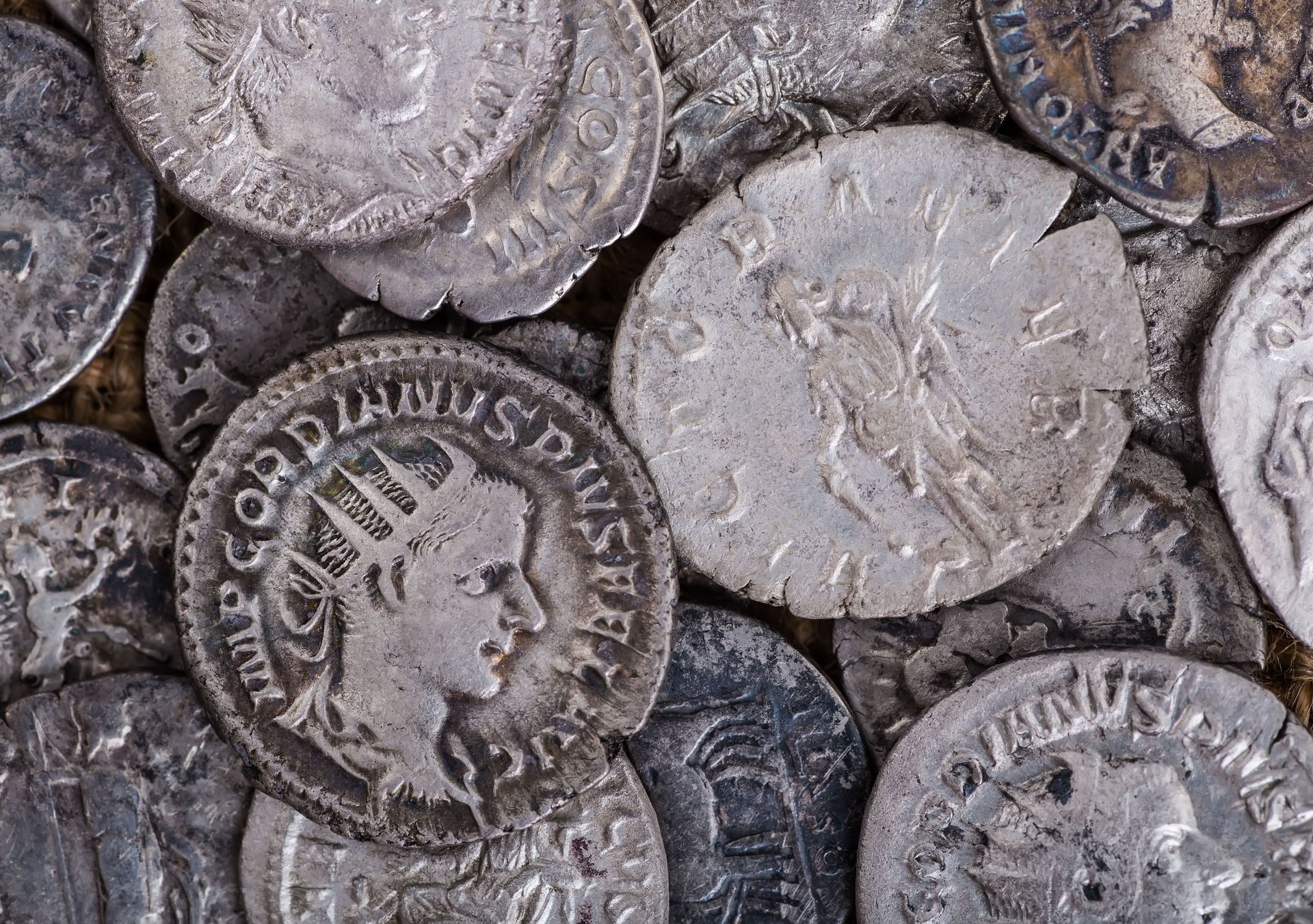
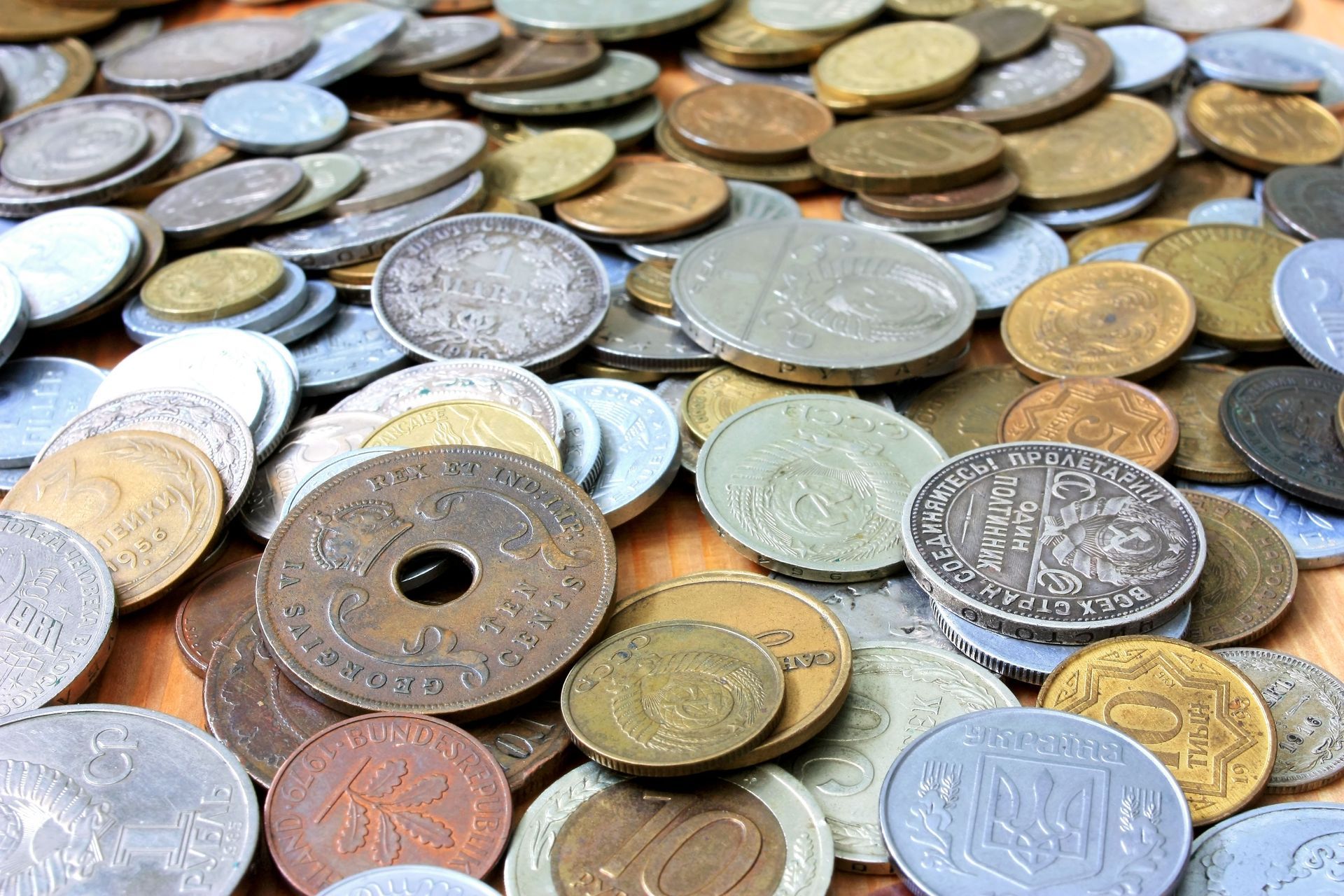
Distinguishing ordinary pocket change from a highly sought-after rare coin involves examining specific mint marks, production errors, and ultra-low mintage figures. Key date issues and short-lived historical series possess an inherent physical scarcity that consistently drives aggressive, competitive bidding at major auction houses and international trade expos.
Investors who dedicate time to studying die varieties, double dies, off-center strikes, planchet flaws, and unintended minting variations can uncover substantial hidden value in unexpected places. Microscopic variations created during the die-making process can turn a standard coin into a legendary rarity, while minting accidents where the blank is improperly seated often yield high-premium pieces prized by specialists. Furthermore, historical shifts such as wartime steel cents or temporary silver compositions carry immense narrative and material value that appeal to both general historians and specialized collectors.
Learning to spot these key diagnostic features on a rare coin safeguards your portfolio against purchasing common bullion at artificially inflated prices. Understanding the rich historical context behind specific strikes allows you to articulate the unique story and scarcity behind each asset to prospective buyers, commanding higher sales margins. Developing a keen eye for subtle detail ensures every addition to your collection measurably strengthens your enterprise's balance sheet.
Evaluating Condition Standards and Professional Grading Benefits
Physical condition remains the single most significant variable when determining the overall resale value of vintage currency and precious metals. A single point difference on the standard seventy-point Sheldon Grading Scale can mean a valuation difference of thousands of dollars. Sending high-potential pieces to professional third-party certification services secures an impartial numeric grade that guarantees authenticity and protects liquid market value.
Uncertified items almost always trade at a steep discount because buyers must factor in the financial risk of hidden surface wear, past improper cleaning, tooling, or potential counterfeits. Encapsulating a high-grade rare coin in protective, tamper-evident acrylic holders shields the delicate surfaces from atmospheric oxidation, physical abrasion, skin oils, and accidental environmental damage over multi-year holding periods. Certified numeric grades also standardize international trade, allowing buyers and sellers across the globe to conduct business remotely with complete confidence in the asset's underlying quality. Properly verified assets inspire immediate buyer confidence, allowing you to command top market prices when liquidating portions of your holdings.
Leveraging Strategic Diversification and Precious Metal Holdings
Building a resilient financial strategy requires balancing volatile historical numismatic pieces with liquid precious metal assets like standard gold and silver bullion. While historical numismatic pieces deliver substantial long-term growth through collector demand and historical scarcity, physical bullion acts as a reliable hedge against currency inflation and broader equity market volatility.
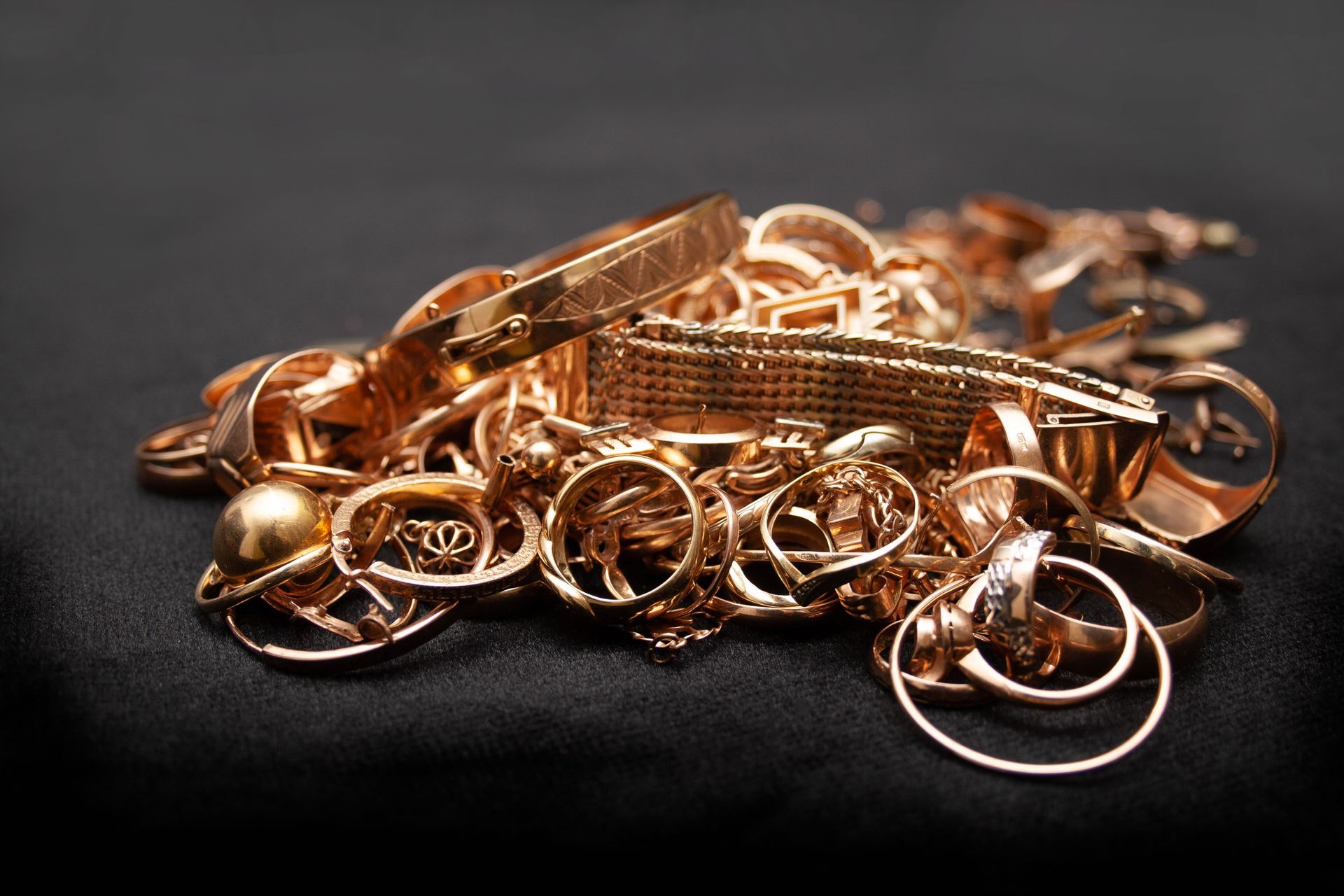
A robust portfolio incorporates a balanced mix across multiple categories. High-grade key dates and mint errors provide maximum capital appreciation potential over extended horizons. Standard government-issued bullion coins provide high liquidity and tight spreads when immediate working capital is required. Additionally, maintaining a portion of portfolio capital in pre-1965 circulation silver coins or secondary market estate scrap allows you to rapidly capture short-term spikes in precious metal spot prices.
Selecting a certified rare coin alongside fine metal bars creates a well-rounded portfolio capable of smoothly navigating shifting economic cycles. This dual-track approach ensures your business maintains steady, predictable cash flow and liquidity while simultaneously capturing premium profit margins from specialized collector pieces.
Mastering Portfolio Liquidation and Timing Strategies
Knowing precisely when, where, and how to liquidate your inventory determines the actual profit margin realized from your strategic acquisitions. Selling blindly during market lulls or spot-price corrections severely erodes historical gains. Conversely, orchestrating liquidations during periods of peak collector demand or elevated precious metal spot prices maximizes profit returns on every transaction.
Smart business owners actively avoid distress selling by maintaining dedicated cash reserves, allowing them to wait patiently for optimal selling windows. Understanding the operational nuances between direct retail sales, private collector networks, auction consignment arrangements, and wholesale dealer liquidations gives you complete control over your final net margins. Direct retail sales typically net the highest profit margins but require longer holding times, while wholesale transactions offer instant cash liquidity at slightly reduced prices. Consigning exceptional showpieces to major international auction houses can spark competitive bidding wars among high-net-worth collectors, driving realizations far beyond standard price guides. Furthermore, closely tracking seasonal liquidity patterns and macroeconomic cycles helps you pinpoint exact moments when buyer sentiment shifts from cautious to aggressive. Securing reliable buy-back arrangements for your genuine rare coin holdings guarantees that your capital remains accessible whenever urgent, high-value buying opportunities emerge in the market.
Building Strategic Partnerships With Industry Professionals
Long-term success in tangible asset investing depends heavily on establishing strong, mutually beneficial relationships with trusted, experienced local dealers and industry professionals. Experienced buyers provide invaluable market intelligence, professional appraisal services, and transparent cash offers for high-grade collectibles, precious metals, rare coin, and fine jewelry assets.
Cultivating ongoing relationships with established industry professionals provides direct access to unlisted inventory, early notifications on freshly acquired estate collections, and preferred financial terms during major buy or sell transactions. Working with verified experts protects your enterprise from fraudulent online offers and ensures every transaction fully complies with anti-money-laundering regulations and current tax reporting standards. Expert buyers can also guide you on optimal home storage solutions, specialized insurance coverage, and long-term estate planning considerations for your growing inventory.
Turning a personal passion into a sustainable, high-yielding business venture is one of the most rewarding paths for dedicated asset managers and tangible asset enthusiasts alike. By prioritizing rigorous grading, strategic asset diversification, disciplined inventory timing, and professional appraisals, you position your holdings for maximum safety and return over time. Partnering with established industry leaders ensures your numismatic journey remains both financially secure and consistently profitable.






Share On: