
Bring it Back to Life: The Magic of Professional Jewelry Repair
Explore the fascinating world of fine accessory maintenance, where skilled artisans breathe new life into cherished pieces. From vintage treasures to modern heirlooms, professional servicing ensures these items continue to shine brilliantly for generations. The nuanced craftsmanship involved in this labor of love often goes unnoticed, yet it remains pivotal to preserving physical history. Masterful techniques not only restore the original allure of precious metals and gemstones but can also enhance their inherent value and sentimentality.
Preserving History Through Jewelry Repair
The historical journey of maintaining fine adornments stretches back thousands of years, with evidence of such practices found deeply embedded within ancient civilizations. Early craftspeople used rudimentary stone and copper tools to maintain and beautify items that signified high status, spiritual devotion, and immense personal wealth. Over the centuries, these methodologies evolved dramatically, driven by groundbreaking discoveries in metallurgy and the changing aesthetics of global design movements. Today, the field of jewelry repair represents a perfect amalgamation of historical knowledge and cutting-edge technology, proving that the desire to preserve personal artifacts is a timeless human trait that transcends eras and cultures.
Understanding the vast repertoire of available maintenance options helps collectors properly safeguard their investments over time. Standard interventions generally encompass a broad range of precise techniques designed to address everyday wear and tear, such as soldering broken chain links, resizing rings for optimal comfort, resetting loose gemstones, and replacing worn-out clasps. Specialized services, like antique restoration and custom structural modifications, cater to unique customer needs that require a deep understanding of historical manufacturing methods. This extensive technical toolkit demonstrates the versatility and adaptability of modern goldsmiths in addressing both common structural failures and highly complex aesthetic challenges.
Executing Common Restoration Techniques
The actual execution of physical restoration begins with a comprehensive initial assessment, during which the item is thoroughly examined under high magnification to determine the precise interventions required. Experienced goldsmiths carefully identify underlying structural flaws, hidden micro-fractures, subtle wear and tear, or compromised stone settings that require immediate technical attention. This initial evaluation phase helps in crafting a highly customized strategy to safely return the item to its pristine original condition. Detailed assessments also allow the artisan to calculate accurate material requirements and project timelines, keeping the owner fully informed and actively engaged throughout the entire collaborative process.
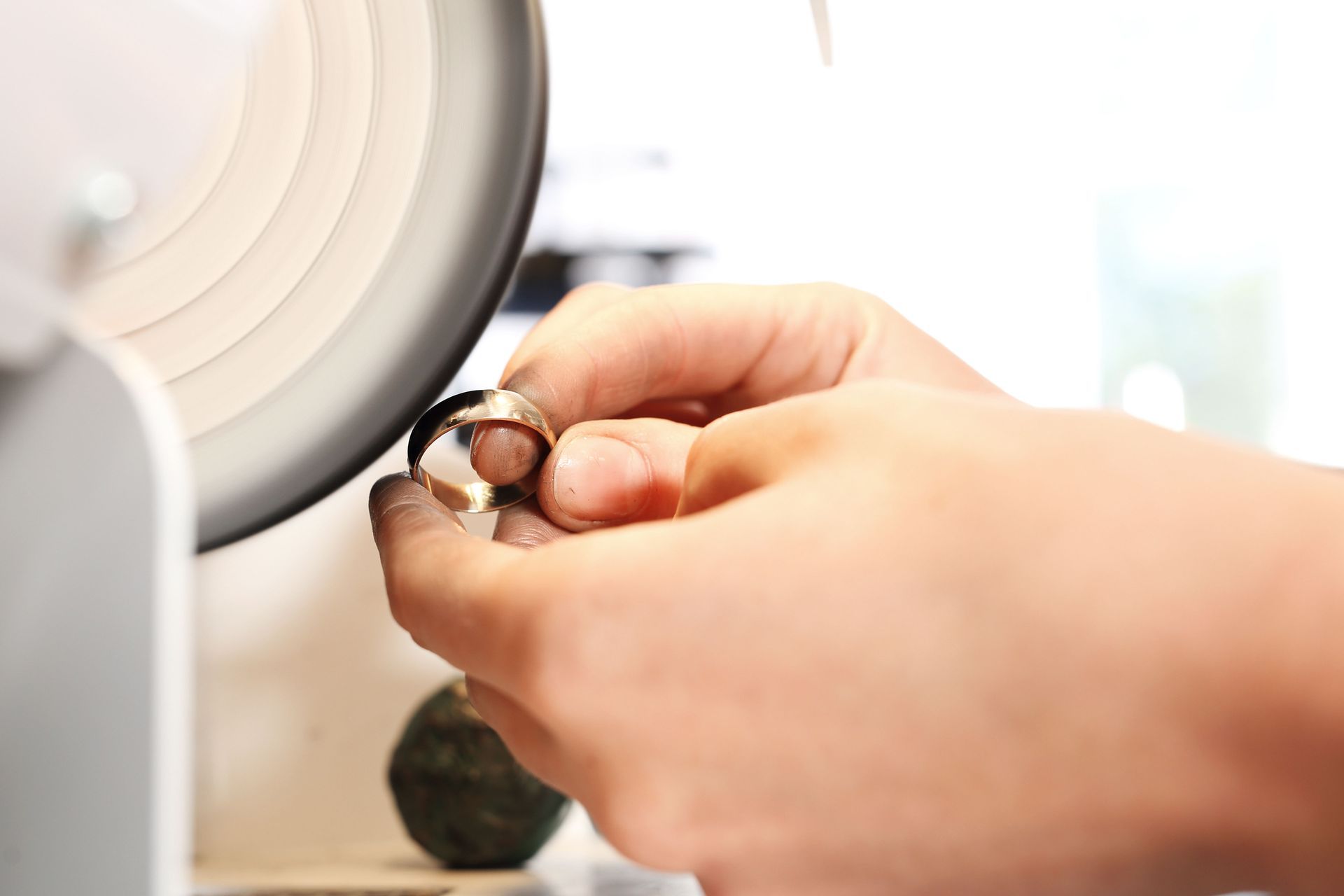
Several core metallurgical techniques underpin successful workshop outcomes, each applied systematically based on the specific material composition and structural needs of the object. High-precision soldering is frequently employed to reattach broken components or to alter dimensions while ensuring the item retains its necessary structural load capacity over years of continuous wear. Advanced surface refinishing and multi-stage polishing processes restore the metal's natural luster and eliminate superficial scratches, thereby completely revitalizing the item's external appearance. Meanwhile, dedicated stone resetting guarantees the secure placement of loose gems within their respective prongs, bezels, or channels, effectively preventing accidental loss.
Integrating Modern Technology and Innovations
The contemporary micro-manufacturing sector has been profoundly transformed by technological breakthroughs that enhance operational precision to unprecedented levels. High-powered laser welders provide technicians with microscopic control, enabling incredibly intricate joins to be executed directly adjacent to heat-sensitive gemstones without risking thermal damage. Computer-aided design platforms facilitate perfectly exact measurements and digital modeling, ensuring that any fabricated replacement components perfectly match the original manufacturer specifications. These incredible advancements have successfully transformed modern jewelry repair into a high-tech science, expanding the creative boundaries of what can be safely salvaged.
In addition to computerized tools, there has been a highly commendable shift toward embracing environmentally conscious workshop practices that align with global sustainability trends. Modern facilities prioritize the utilization of recycled precious metals and clean, non-toxic chemical alternatives for traditional pickling and degreasing processes. According to the World Gold Council, at least 90% of recycled gold comes from jewelry, underscoring the circular economy that defines this ancient industry. By actively reducing environmental footprints and minimizing hazardous waste generation, contemporary workshops ensure that ethical, responsible craftsmanship remains a core pillar of the industry's ongoing evolution.
Looking toward the horizon, the ongoing integration of additive manufacturing and three-dimensional printing continues to redefine the boundaries of historical replication. Technicians can now scan fragmented or severely degraded vintage components and print perfect resin patterns for high-fidelity investment casting. Future trends will likely incorporate augmented reality systems to allow clients to preview proposed modifications in real-time before a single tool touches the metal. As these innovative capabilities continue to mature, workshops will become increasingly efficient, ensuring that the preservation of material culture remains both economically accessible and flawlessly executed.
Appreciating the Artistry of Master Artisans
The individuals operating behind the workbench are highly trained craftspeople who possess an incredibly deep understanding of material science, classical design philosophy, and manual dexterity. The specialized nature of jewelry repair demands thousands of hours of deliberate practice to master the subtle physics of metal flow, torch control, and gemstone pressure. Beyond mere physical coordination, these experts must possess exceptional diagnostic skills to deduce how a specific piece was originally manufactured and where its structural weaknesses lie. This rare combination of analytical problem-solving and artistic intuition forms the bedrock of trust between the client and the artisan.
The professional pathway required to achieve true mastery within this competitive field typically demands years of formal educational training followed by structured workplace apprenticeships. Aspiring smiths must study the distinct physical properties of various noble metals, learning how different alloying elements alter melting points, malleability, and tensile strength. Continuous professional development through industry certifications ensures that working bench jewelers remain proficient with emerging technological tools and modern synthetic gemstone materials. This lifelong commitment to education keeps the traditional craft vibrant, dynamic, and fully capable of handling both ancient artifacts and cutting-edge contemporary designs.
Creativity plays an indispensable role in daily workshop operations, as artisans must routinely invent highly unconventional solutions to overcome unique structural limitations. When working on severely degraded heritage items, historical documentation may be absent, forcing the jeweler to rely on stylistic expertise to reconstruct missing components authentically. Modifying an existing piece to accommodate a client's changing physical needs or stylistic preferences similarly requires an exceptional eye for balance, symmetry, and visual harmony. It is this creative problem-solving ability that elevates the trade from a mechanical service to a profound form of functional artistic conservation.
Maintaining Valuable Pieces for Long-Term Brilliance
Establishing an effective routine for daily care and domestic maintenance is absolutely paramount for preserving the aesthetic brilliance and physical security of fine accessories. Regularly cleansing items at home using mild, specialized solutions prevents the stubborn buildup of cosmetic products, skin oils, and environmental dust that progressively dulls gemstone refraction. Storing individual items inside separate, fabric-lined compartments effectively prevents harder materials from scratching softer metals or delicate organic gems like pearls and opals. Furthermore, removing fine items before engaging in rigorous physical exercise or handling household cleaning chemicals prevents structural warping and chemical degradation.
Implementing targeted preventative measures is equally vital for avoiding the sudden onset of severe structural damage that could require extensive intervention. Periodically inspecting structural mountings, clasp mechanisms, and safety catches allows attentive owners to detect loose elements before they culminate in an expensive accidental loss. It is highly recommended avoiding exposing fine items to extreme thermal fluctuations, intense solar radiation, or chlorinated swimming pool water, as these factors can cause stress fractures in certain gemstones and accelerate metal fatigue. By adopting a proactive stance toward preventative care, collectors can easily maintain their acquisitions in immaculate condition.
The preservation of fine personal adornments is a profound process that seamlessly blends historical reverence, advanced material science, and incredible artistic devotion. By selecting the right professional assistance, understanding the intricacies of the workshop, and committing to proper preventative care, collectors can ensure their investments endure beautifully across the span of lifetimes. As technological innovations continue to enhance the capabilities of the modern workbench, the ability to safeguard these tangible anchors of memory becomes more certain than ever before. For more information about the services that we offer, reach out to our incredible team at Center Gold Jewelers today!












Share On: