
How to Authenticate Fine Jewelry Before You Pay
Purchasing fine jewelry is a significant investment. It is essential to ensure the authenticity of a piece before finalizing your purchase to avoid fraud and ensure value. This guide will take you through the process of authenticating fine jewelry with confidence, helping you understand what to look for when visiting a jewelry store or evaluating an estate piece.
Identifying Hallmarks and Assessing Material Purity
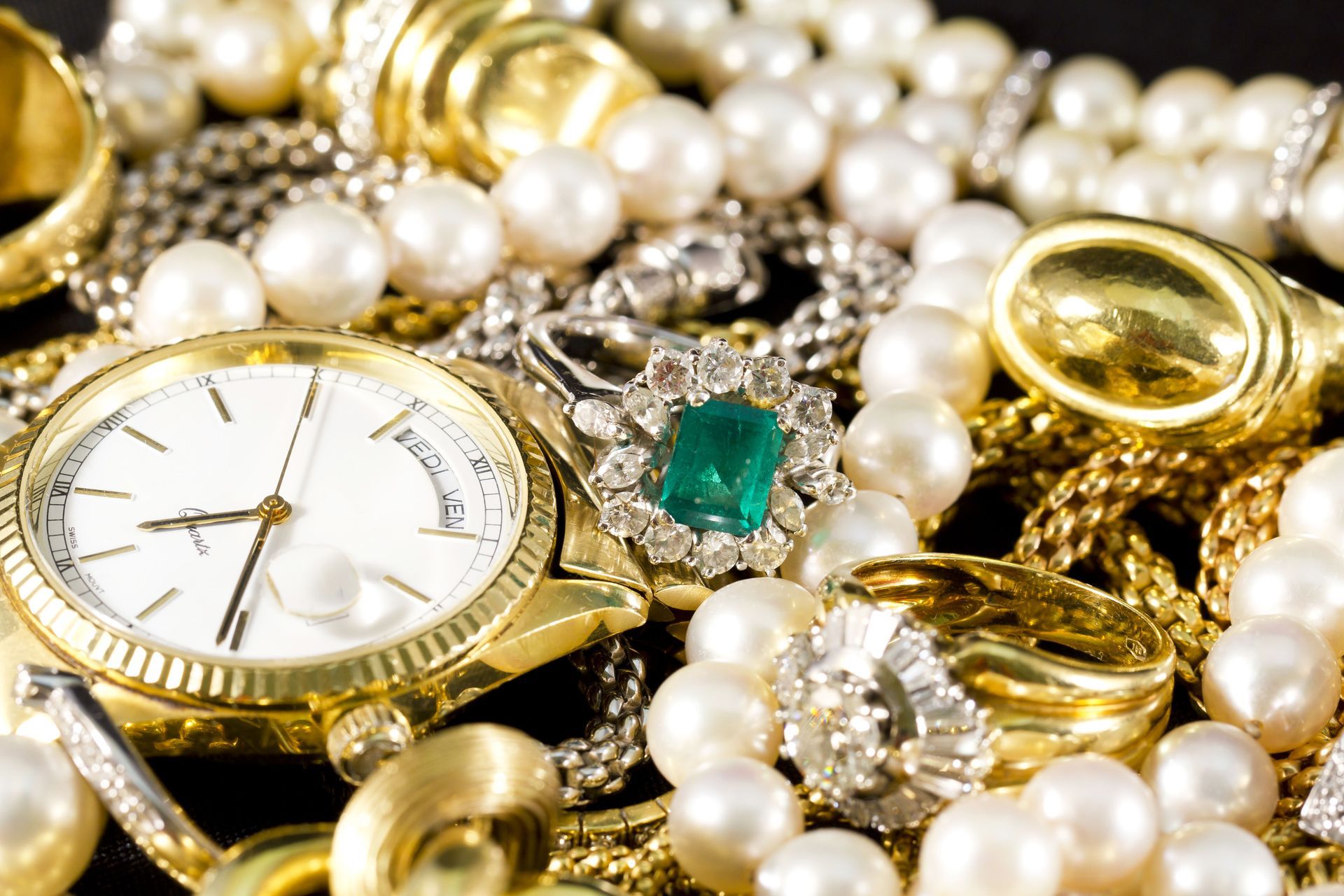
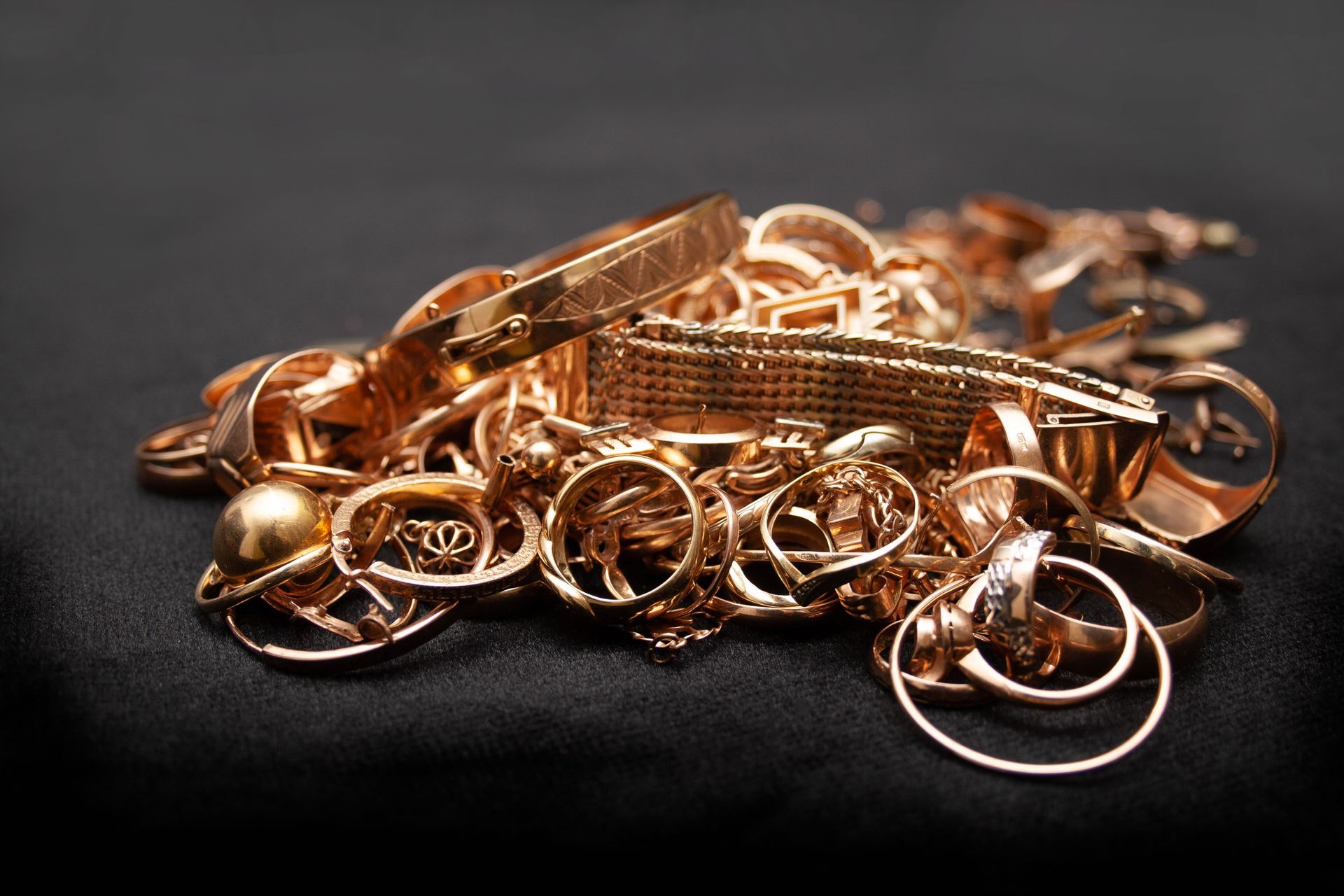
Understanding hallmarks and maker's marks is critical in fine jewelry verification. Hallmarks provide information about the metal content and origin, making them vital for verification. For instance, gold items often feature stamps indicating the karat, such as "750" for 18k gold. Maker's marks identify the designer or manufacturer, adding another layer of authenticity. Visual inspection with a magnifying glass or jeweler's loupe allows you to locate these tiny stamps, usually found on the inside band of rings or near clasps on necklaces. Each mark should be clear, legible, and correspond to recognized historical standards.
Conducting material analysis is equally essential to authenticate fine jewelry, as different metals have distinct properties and values. Gold, silver, and platinum each require specific tests to verify their purity. For gold, acid tests and electronic testers are commonly used to determine the exact karat. Platinum, being denser and more durable, often involves more advanced testing, such as density comparison and magnetization tests. While some of these tests can be performed at home with the right tools, precision improves when using professional analytical methods like X-ray fluorescence analyzers at a reputable jewelry store.
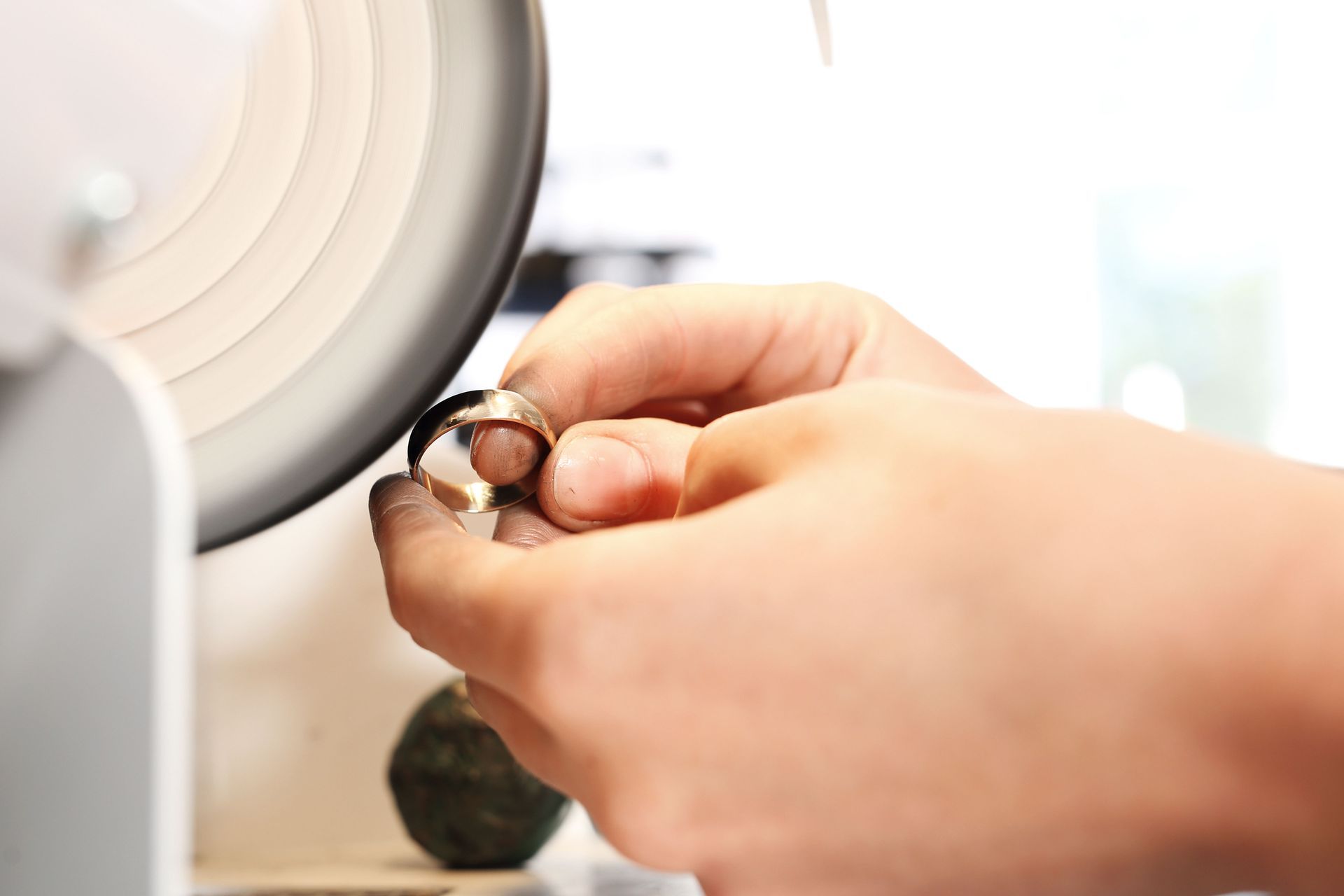
According to 360 Research Reports, a global shift in values is underway as more than 35% of new jewelry buyers now choose ethically sourced gemstones or lab-grown diamonds when customizing designs. This shift means modern buyers must also look for newer ethical certifications and eco-stamps alongside traditional hallmarks. Incorrect alloy compositions are a common sign of fraudulent jewelry, which makes thorough element testing vital. Examining the physical condition of the metals also helps ascertain authenticity and craftsmanship care. Excessive scratches, dents, or an inappropriate weight for the size of the piece might indicate inferior quality or plated alternatives.
Evaluating Gemstones and Examining Certifications
Discernment between natural and synthetic gemstones is a vital aspect of modern jewelry authentication. Natural gemstones possess unique inclusion patterns formed over millennia within the earth. Synthetic gemstones are produced in laboratories with similar chemical compositions but distinct structural differences detectable by experts. Visible irregularities often set natural gemstones apart from synthetics, which typically display a level of uniform perfection that is unusual in nature. Recognizing these structural variations empowers you to make informed decisions when evaluating high-value pieces.
Color and clarity are two fundamental attributes in evaluating gemstone authenticity, as each gem type has a recognized range of hues and internal characteristics. Natural color variations often indicate authenticity, while overly uniform colors may suggest synthetic origin or artificial treatments. Gemological institutions, like the Gemological Institute of America (GIA), provide detailed certifications that assess characteristics such as color, clarity, cut, and the presence of any treatments. Having a certificate from a reputable institute enhances a piece's credibility and ensures you are investing in genuine items.
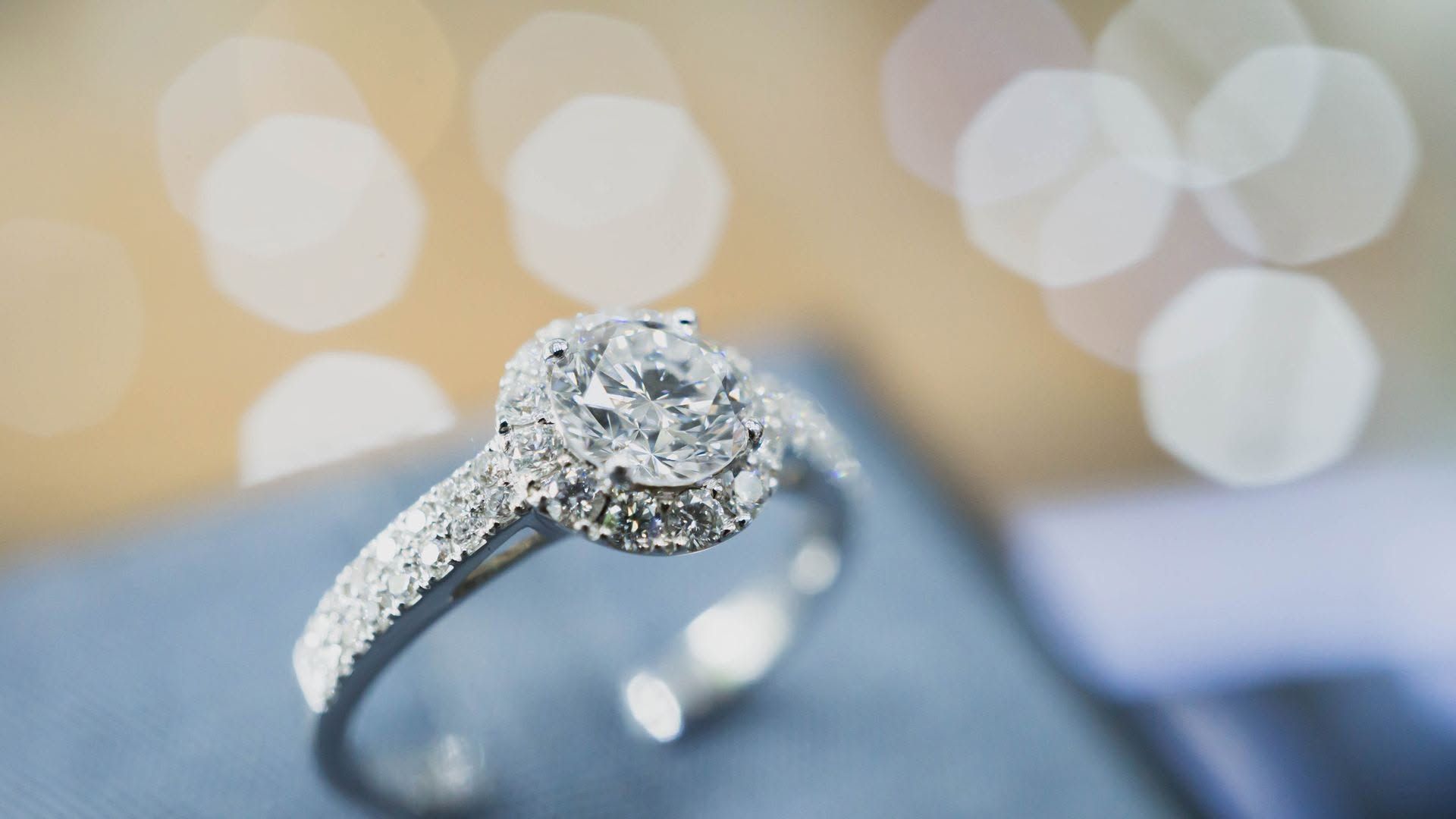
Hardness is another definitive property of gemstones that aids in their authentication. Measured using the Mohs scale, hardness helps determine a gemstone's true identity and distinguishes natural stones from softer glass or plastic imitations. Specialized tools like hardness pencils or electronic diamond testers offer precise results during an inspection. Utilizing portable magnification tools like loupes allows you to check for professional setting techniques and stone security. Quality craftsmanship includes meticulous stone settings with uniform prongs and bezels securing the stone firmly without ruining its natural beauty.
Verifying Vintage and Inspecting Age Characteristics
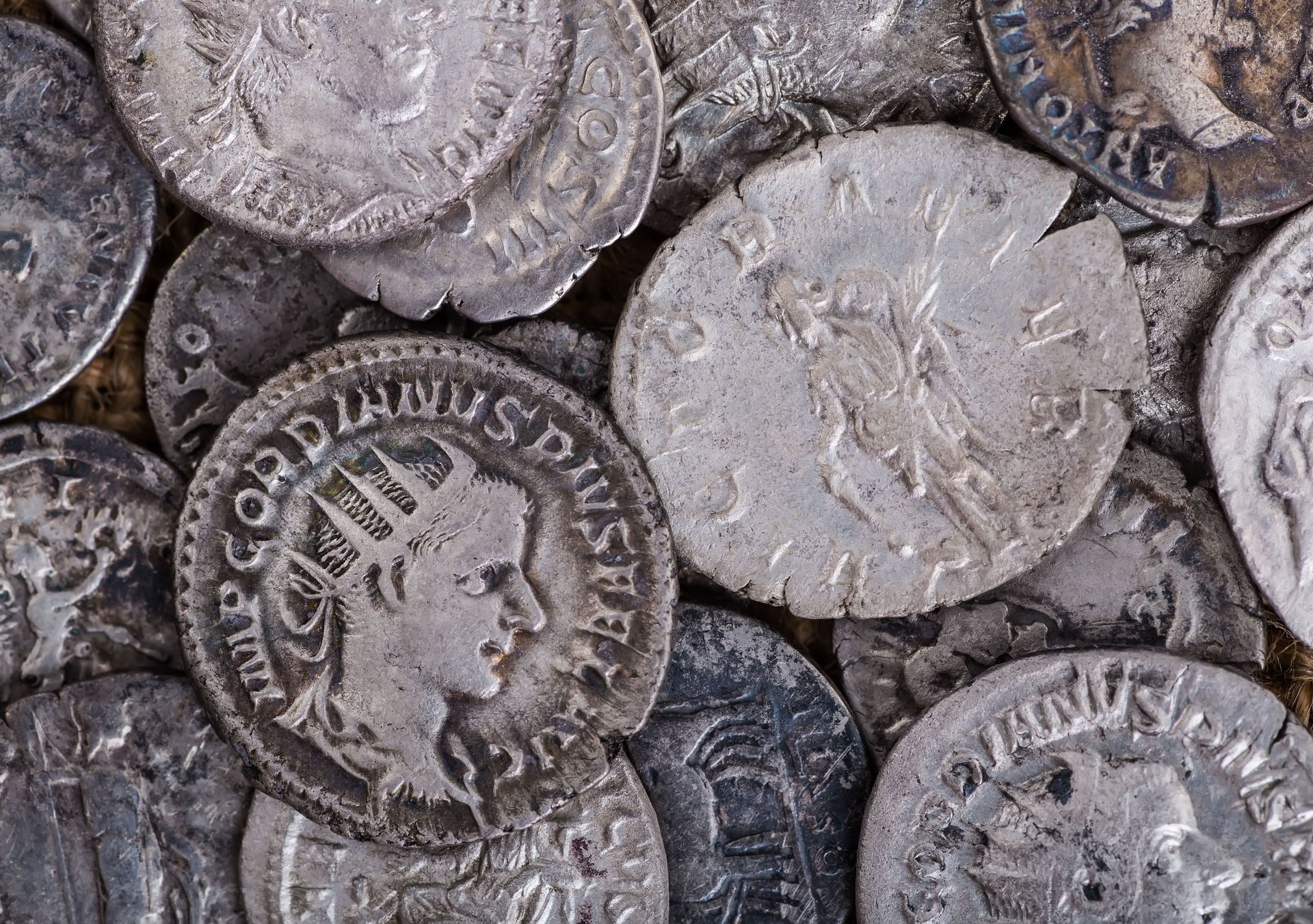
Understanding the distinct traits of vintage and antique jewelry is essential for authenticating and appreciating its true value. Each era of jewelry making reflects specific styles, techniques, and materials that help pinpoint the origin of a piece. Art Deco items are renowned for geometric shapes and bright colors, while Victorian pieces often feature intricate filigree work and rose gold. Materials like Bakelite, old mine-cut diamonds, or unique engraving styles are highly indicative of specific historical periods. Familiarity with these historical elements provides a foundation for verifying age and craftsmanship.
Provenance research is vital in verifying vintage jewelry authenticity, establishing its ownership history from creation to the present day. Provenance acts as a historical record, documenting prior owners, significant estate events, or exhibitions a piece was part of. This historical trail not only confirms authenticity but can also enhance the market value if the item is associated with notable figures. Thorough research involves checking auction records, estate documentation, and collector archives to ensure the piece has not been altered or switched over time.
Recognizing legitimate signs of wear can further authenticate antique jewelry, attesting to its real age and prior usage. Genuine vintage pieces display natural aging patterns, such as softened edges, patina development, or subtle metal wear that cannot be easily replicated. This natural wear contrasts sharply with modern jewelry alteration techniques that aim to artificially simulate aging. Examining details like microscopic stone abrasions or natural metal discoloration guides the authentication process, helping you avoid misrepresented modern reproductions at an antique jewelry store.
Utilizing Professional Authentication Tools and Laboratories
Various modern tools and technologies have advanced the field of jewelry authentication, allowing for highly precise assessments. Spectrometers, electronic diamond testers, and high-powered microscopes provide critical insights into metal compositions and gemstone authenticity. For consumers, knowing how to access these technologies through a professional jewelry store can prevent costly mistakes associated with counterfeit items. These advanced tools evaluate the chemical signature of the item, ensuring that the structural composition matches the engravings and paperwork provided by the seller.
Online resources have also become valuable assets in authenticating jewelry, providing expansive databases for hallmark identification and maker's mark tracking worldwide. Technology enables access to collector forums and expert virtual consultations where consumers can seek advice on potential purchases before spending money. As the jewelry market shifts towards transparent trade, the integration of digital tracking and blockchain documentation strengthens consumer confidence. This technological shift ensures a comprehensive understanding of the authenticity tools available in the modern marketplace.
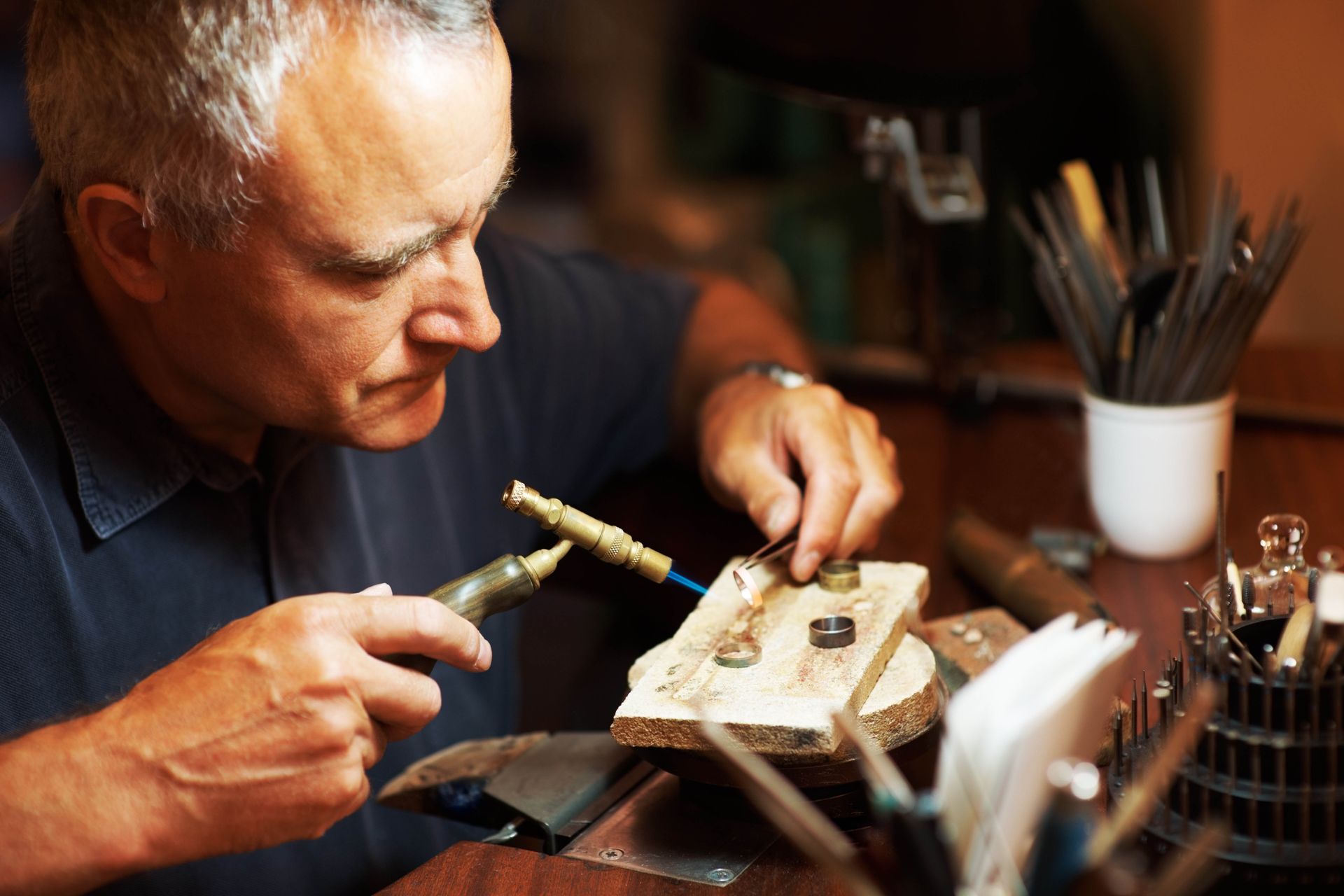
Relying on a trusted appraiser or an established jewelry store remains the safest way to guarantee that a high-value piece is authentic. Professional jewelers possess the practical experience and specialized laboratory equipment required to identify advanced counterfeits that easily fool the naked eye. They can issue formal appraisal documents for insurance purposes, detailing the exact measurements, weights, and grades of your precious items. Investing in professional verification before completing a purchase provides long-term peace of mind and safeguards your financial investment.
Sourcing Your Pieces From a Trusted Provider
The most reliable step you can take to ensure jewelry authenticity is choosing the right business for your purchases. Establishing a relationship with an ethical, transparent jewelry store reduces the risks associated with private sales and unverified online vendors. Reputable dealers willingly provide gemological certificates, offer clear return policies, and allow independent appraisals of their items. They take the guesswork out of the buying process by standing behind the quality and origin of every precious metal and gemstone they sell.
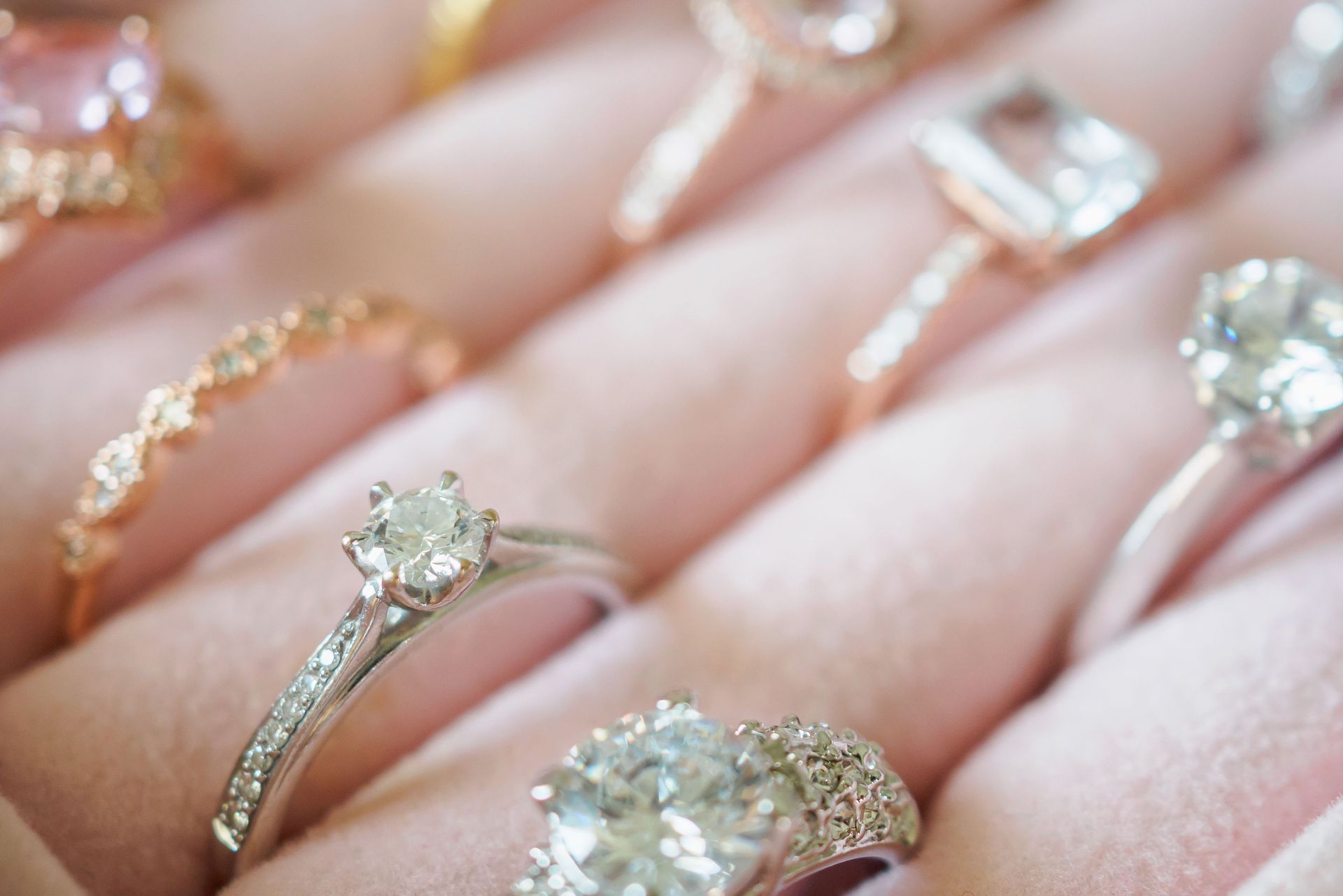
Educating yourself on hallmarks, certifications, and material characteristics transforms you into a confident consumer capable of spotting potential red flags. Whether you are searching for a contemporary engagement ring, a custom lab-grown diamond design, or a rare vintage heirloom, authentication should always come first. Working with verified professionals ensures that your collection holds its emotional and financial value for generations to come. For more information about the services that we offer, reach out to our incredible team at Center Gold Jewelers today!











Share On: