
What You Need to Know About Jewelry Repair
Jewelry can hold immense sentimental and monetary value, making reliable care and repair strategies essential. Understanding the nuances of jewelry repair can help save treasured pieces and ensure they last for generations. This article explores key repair considerations so you can make informed decisions when the need arises. Whether you are caring for inherited heirlooms, engagement rings, necklaces, bracelets, or modern custom pieces, the right approach can protect both beauty and value. With proper maintenance, timely service, and professional guidance, you can safeguard your jewelry from preventable damage.
1. Common Types of Jewelry Repair
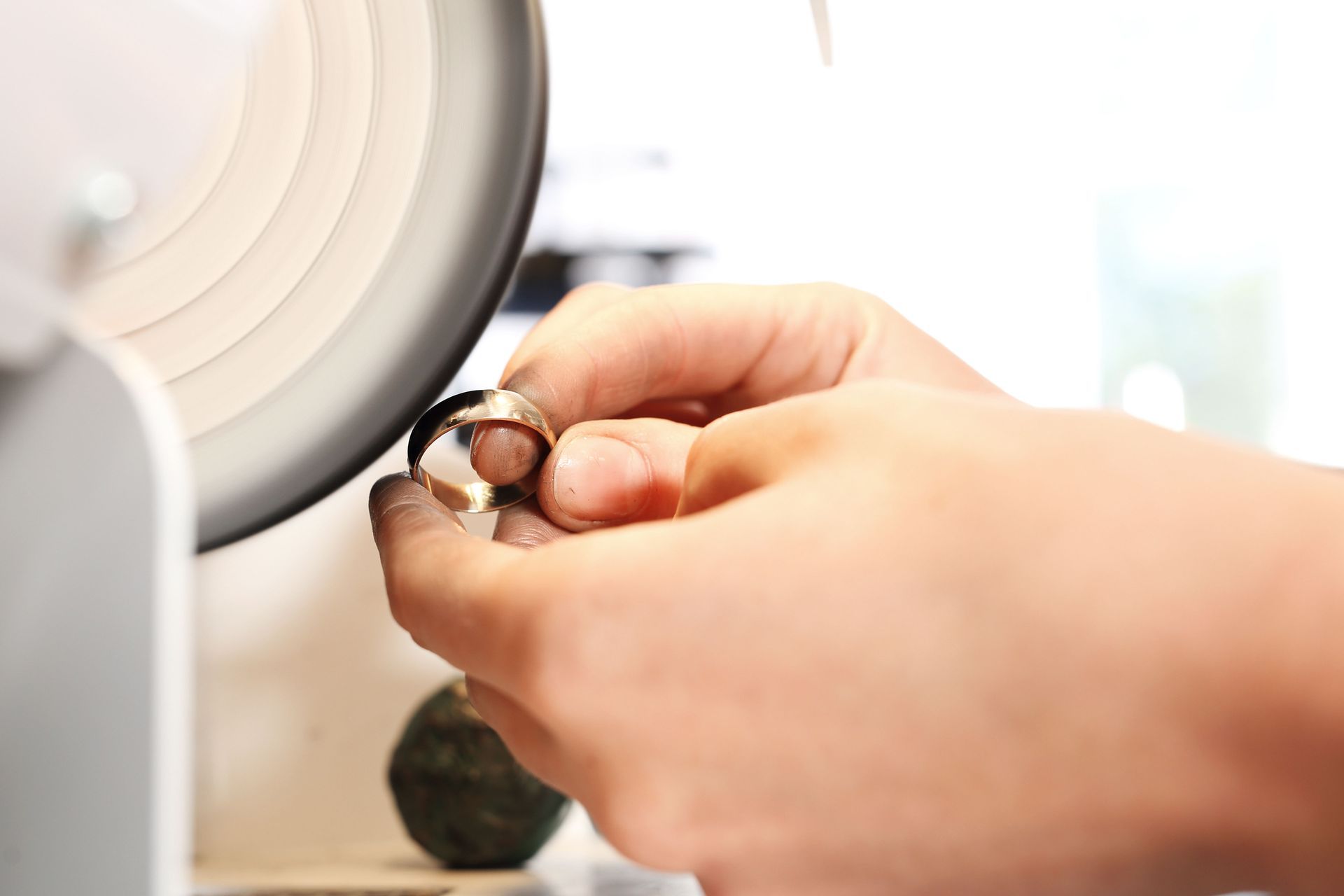
Ring resizing is one of the most common services requested by jewelry owners. Rings worn daily, such as wedding bands and engagement rings, may need adjustment due to changes in finger size, comfort concerns, or inherited sizing differences. The process usually involves adding or removing metal while preserving the ring’s structure and design. A professional jeweler can resize the piece carefully so it remains comfortable, balanced, and visually consistent.
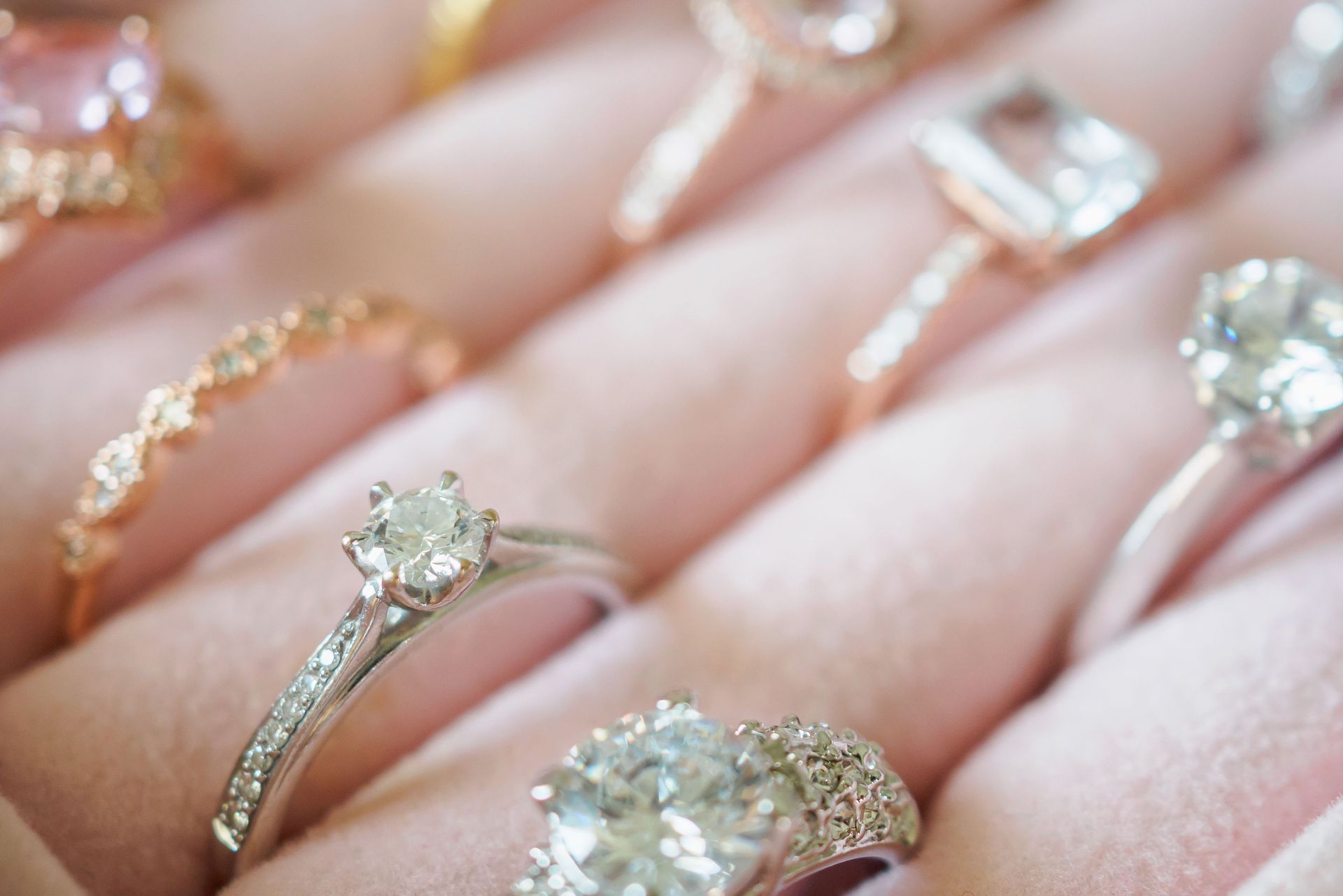
Stone replacement is also important when gemstones are lost, chipped, or damaged. A missing stone can affect the appearance and value of a piece, especially if the setting was designed around a specific gemstone. Professional jewelry repair may include matching a stone by size, cut, color, and clarity to keep the design as close to the original as possible. Because fine jewelry often represents a significant financial investment, proper maintenance and repair are essential. According to Zippia, the US accounts for over $33 billion in annual jewelry sales, highlighting the importance of protecting valuable pieces through professional care and restoration when damage occurs.
Chain repair is another frequent need because necklaces and bracelets are often exposed to pulling, twisting, and daily wear. Depending on the chain style, a jeweler may solder broken links, reinforce weak areas, or replace damaged sections. Gold, silver, and platinum chains each require different handling because every metal responds differently to heat and pressure. Careful work helps restore strength while maintaining the piece’s appearance.
2. Prongs, Clasps, and Settings
Prongs play a critical role in holding gemstones securely in place. Over time, prongs can become thin, bent, or worn down, increasing the risk that a stone may loosen or fall out. Re-tipping adds metal to worn prongs so they can regain the height and strength needed to protect the stone. This work requires precision because too much pressure or heat can damage delicate gemstones.
Clasps also require attention because they are opened, closed, and pulled repeatedly. A weak clasp can cause a necklace or bracelet to fall off without warning. Jewelers often replace damaged clasps with similar styles, such as lobster clasps, spring rings, or box clasps. The right replacement should match the original piece while improving security and ease of use.
3. Materials Used in Repairs
Different metals require different repair methods. Gold is valued for its workability, but it can still be delicate depending on its karat. Silver is softer and more prone to scratches or tarnish, while platinum is strong but dense and more difficult to shape. A skilled jeweler understands how these materials behave and chooses methods that protect the piece’s structure.
Gemstones also need careful handling. Diamonds, rubies, sapphires, emeralds, pearls, and opals all react differently to heat, chemicals, and pressure. Some stones can withstand cleaning and soldering processes better than others, while fragile stones may require special protection. Understanding these differences is essential during any repair involving gemstone settings.
4. Tools and Techniques
Soldering is one of the most important techniques in jewelry repair because it allows jewelers to join broken metal parts, close weak seams, and rebuild worn areas. The solder must be compatible with the original metal so the repair is durable and discreet. When done correctly, the repaired area blends naturally into the rest of the piece.
Modern tools have improved the repair process. Laser welders allow jewelers to work with greater precision and less heat exposure, which is helpful for detailed settings and delicate stones. Ultrasonic cleaners, magnification tools, polishing equipment, and specialized pliers also support accurate work. Even with advanced equipment, craftsmanship remains essential because every piece requires careful judgment.
5. Choosing a Professional Jeweler
Selecting the right jeweler can make a major difference in the final result. Look for a professional with strong experience, clear communication, and knowledge of both traditional and modern techniques. Credentials from respected organizations, such as the Gemological Institute of America or Jewelers of America, can also show a commitment to industry standards.
Customer reviews and testimonials can provide helpful insight into service quality. Positive reviews may mention workmanship, fair pricing, reliable timelines, and customer care. Before approving work, ask for a written estimate that explains the repair, materials, expected cost, and turnaround time. Transparent pricing helps prevent surprises and allows you to compare options with confidence.
6. Warranty and Repair Policies
A trustworthy jeweler should explain warranty and repair policies before beginning work. A warranty can provide reassurance if an issue appears shortly after the repair is completed. Clear policies about adjustments, replacements, and follow-up service help protect your investment and reduce misunderstandings.
Cost should not be the only factor when selecting a repair provider. Very low pricing may indicate rushed work, weak materials, or limited experience. Valuable and sentimental pieces deserve careful attention, especially when they involve gemstones, precious metals, or antique details.
7. DIY Repair Considerations
Some simple tasks can be handled at home, such as gentle cleaning, polishing certain metals, or replacing a basic jump ring. However, DIY jewelry repair should be approached with caution. Without proper tools and training, it is easy to scratch metal, loosen stones, bend settings, or create more damage than the original issue.
Complex repairs should be left to professionals. Stone resetting, soldering, prong rebuilding, pearl restringing, and antique restoration require specialized tools and experience. When a piece has financial, emotional, or historical value, professional service is usually the safest option.
8. Preventive Maintenance
Preventive care can reduce the need for future repairs. Regular inspections help identify loose stones, worn clasps, bent prongs, and weakened links before they fail. Having valuable pieces checked once a year can help prevent unexpected loss and preserve long-term value.
Proper cleaning also matters. Mild soap, warm water, and a soft cloth are often safe for many pieces, but not all materials should be cleaned the same way. Pearls, opals, and certain treated gemstones can be sensitive to chemicals and moisture. When in doubt, ask a jeweler for care instructions specific to the piece.
9. Safe Storage Practices
Storage has a major effect on jewelry condition. Soft-lined boxes, separate pouches, and individual compartments can prevent scratches and tangling. Chains should be laid flat or hung carefully to avoid knots and stress on links. Rings and earrings should be stored in a way that protects stones and settings from impact.
Environmental conditions can also cause damage. Humidity may speed up tarnishing, sunlight can fade certain gemstones, and household chemicals can harm finishes. Removing jewelry before swimming, exercising, gardening, or cleaning helps preserve its appearance and structure.
10. The Future of Jewelry Repair
Technology continues to change how jewelers restore damaged pieces. Laser welding, digital design tools, and 3D printing can support more accurate repairs and custom replacement parts. These advancements are especially useful for intricate designs, vintage pieces, and unique settings that are difficult to repair with traditional methods alone.
With the right care, jewelry can remain wearable, attractive, and meaningful for generations. By understanding common repair needs, selecting skilled professionals, and practicing regular maintenance, you can preserve your favorite pieces with confidence. Thoughtful decisions today can help ensure your jewelry continues to tell its story for years to come. Contact our team at Center Gold Jewelers today and learn more about our jewelry repair services.

Share On: