
What to Expect When Visiting Coin Shops
Walking into a specialty store for the first time can feel a little intimidating, especially if you’re not sure what the process looks like or what’s expected of you. Whether you’re curious about starting a collection, selling an inherited piece, or just browsing, understanding how these places work can make the experience far more comfortable. According to Statista, roughly 30 million Americans use pawn shops each year, which shows just how common buying and selling valuable items in person has become. With that context in mind, visiting coin shops is often much more approachable and straightforward than people imagine.
In this guide, you’ll learn what the experience typically looks like from start to finish, what kind of environment you’ll walk into, and how to interact confidently and respectfully. A little knowledge goes a long way toward making your visit smooth, productive, and even enjoyable.
Preparation
Before you step out the door, it helps to have a clear idea of why you’re going. Are you hoping to sell something, get an appraisal, or start buying pieces for a new collection? Knowing your goal will guide the conversation and help the staff point you in the right direction more quickly. If you’re bringing items with you, make sure they’re stored safely and brought in as-is, without trying to clean or polish them, since that can sometimes reduce their value.
It’s also useful to do a bit of light research beforehand, not to become an expert, but to get a general sense of what you have or what you’re looking for. This gives you a baseline understanding and makes it easier to ask good questions. Most importantly, go in with realistic expectations and an open mind, since market values can change and not every item turns out to be as rare or valuable as people hope.
Atmosphere
The first thing many people notice when they walk into coin shops is that the environment is usually calmer and more professional than expected. You’ll often see glass display cases, neatly organized items, and a counter where conversations and transactions happen. Security measures are common, but they’re usually subtle and simply part of doing business with valuable goods.
The overall mood tends to be quiet, respectful, and focused, with staff happy to talk through questions if the shop isn’t too busy. You don’t need to feel rushed or pressured to buy or sell anything right away. Think of it more like visiting a specialty bookstore or gallery, where browsing and learning are part of the experience.
Inventory
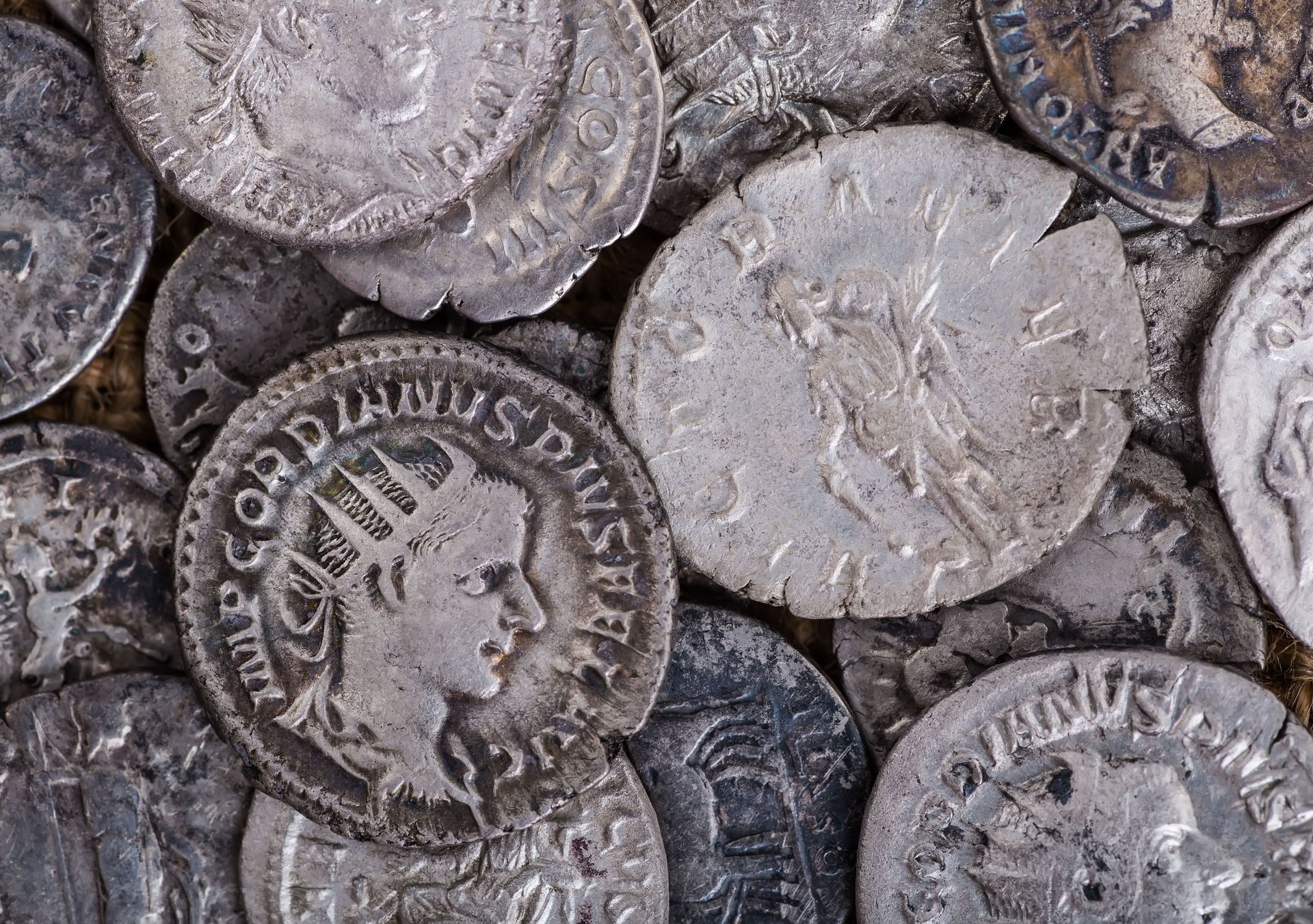
One of the most interesting parts of visiting coin shops is seeing the variety of items available. You might find everything from modern bullion pieces to older, historically significant coins, as well as paper currency and related collectibles. Because these items are bought and sold frequently, the selection can change from week to week or even day to day.
This means every visit can feel a little different, and you never quite know what you might discover. Some pieces are priced mainly for their metal content, while others carry additional value because of rarity, condition, or historical importance. Over time, you’ll start to recognize the difference between items meant primarily for investment and those aimed more at collectors.
Evaluation
When you bring something in to be looked at, the evaluation process is usually careful and methodical. The staff will examine factors like condition, age, authenticity, and overall demand. They may use tools such as magnifiers, scales, or reference guides to get a clearer picture of what the item really is.
It’s important to remember that sentimental value and market value are not the same thing. An item that’s meaningful to you personally might not be especially rare or in demand, while something that looks ordinary could turn out to be quite desirable. A good evaluation is about matching your item to the realities of the current market, not about judging its personal significance.
Pricing
Coin pricing is influenced by a mix of objective and subjective factors. For items made of precious metals, the current market price of gold or silver plays a big role, but that’s only part of the story. Rarity, condition, and collector demand can add a premium well above the base metal value.
This is why two items that look similar at first glance can have very different price tags. One might be common and widely available, while the other could be scarce or in exceptional condition. Understanding this helps make sense of the numbers you see and prevents sticker shock when something small carries a surprisingly high price.
Negotiation
Many people wonder whether negotiation is expected in coin shops, and the answer is that it depends on the item and the situation. Some prices are fairly firm, especially for popular or fast-moving pieces, while others may have a little room for discussion. It never hurts to ask politely, as long as you’re respectful and realistic.
Good negotiation is less about haggling aggressively and more about having a reasonable conversation. If you’re polite, informed, and flexible, the discussion is more likely to feel collaborative rather than confrontational. Even when the price doesn’t change, you’ll usually walk away with a clearer understanding of how the value was determined.
Authentication
A big part of what sets coin shops apart from casual marketplaces is their focus on authenticity. Staff are trained to spot common counterfeits and altered items, and many stores use specialized tools or tests to confirm what something really is. This level of scrutiny gives customers peace of mind and adds an extra layer of trust to every transaction. This protects both the buyer and the seller from costly mistakes.
For higher-end or especially rare pieces, you may also hear about third-party grading and certification services. These provide an extra layer of confidence and standardization across the industry. While not every item needs this level of verification, it’s good to know that such systems exist and are widely respected.
Etiquette
Like any specialty business, coin shops have a few unspoken rules of courtesy. Always ask before handling items, since many pieces are delicate or valuable. Showing respect and attentiveness not only makes the experience better for everyone but also helps build a positive relationship with the staff. Be patient if the staff are helping other customers, and remember that careful work takes time.
A respectful attitude goes a long way, especially if you’re new and still learning. Asking questions is encouraged, and most professionals are happy to share their knowledge. Treat the space and the people in it well, and you’ll almost always be met with the same level of respect.
By knowing what to expect, you can walk into coin shops with confidence instead of uncertainty. From the calm atmosphere and changing inventory to the careful evaluation and fair pricing practices, the entire experience is designed to be transparent and professional. Whether you’re there to browse, buy, or sell, a little preparation and the right mindset can turn your visit into a genuinely positive experience.
Whether you’re buying your first piece or selling part of a collection, Center Gold Jewelers is here to help you every step of the way. Our team offers honest evaluations, fair pricing, and a welcoming environment for collectors of all experience levels. Visit us today and discover how easy and rewarding the process can be.







Share On: