
The History and Significance of Rare Coins in Collecting
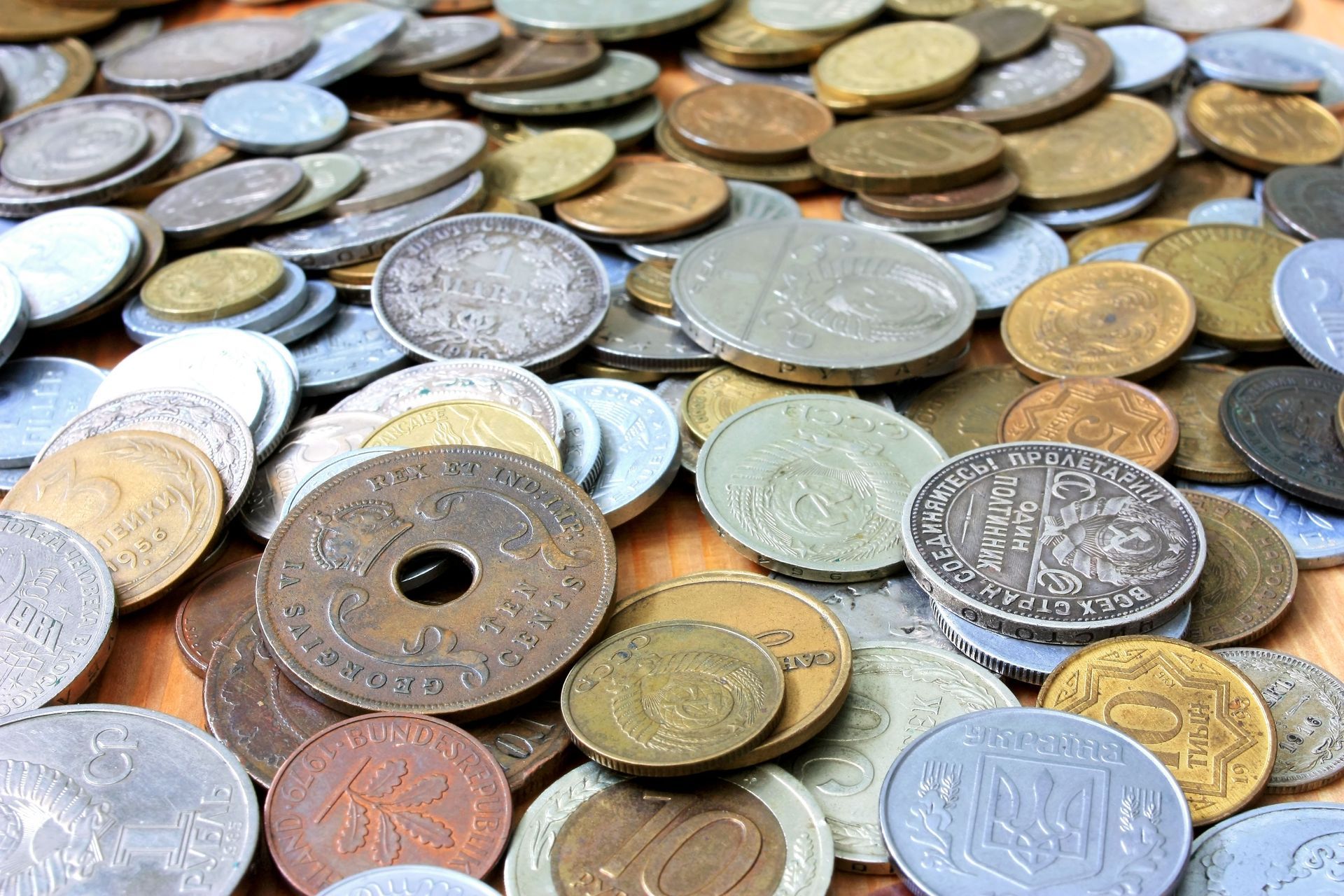
Rare coin collecting is one of the oldest and most enduring hobbies in the world. It combines history, artistry, economics, and personal passion into a pursuit that appeals to collectors across generations. Unlike many modern collectibles, coins were never created solely to be collected; they were functional objects that later became historical artifacts. This unique origin gives every rare coin a depth of meaning that extends far beyond its appearance or material value.
Collectors are often drawn to rare coins because they provide a tangible connection to the past. Each coin once circulated through real economies, passed through countless hands and played a role in everyday life. Over time, these objects transformed from tools of commerce into preserved pieces of history. Understanding where rare coin collecting began helps explain why the hobby continues to grow and endure today.
The Origins of Coin Collecting
Coin collecting can be traced back thousands of years, long before it was recognized as a formal hobby. Historical evidence suggests that ancient rulers and wealthy individuals set aside coins that were unusual, beautifully designed, or associated with important events. These early collectors recognized that coins carried significance beyond their monetary function. Their actions laid the groundwork for what would eventually become organized numismatics.
Because early collections were often owned by royalty and nobility, coin collecting became known as the "hobby of kings". Monarchs preserved coins as symbols of power, trade dominance, and artistic achievement. These collections were not merely decorative; they reflected political authority and cultural influence. As a result, many rare coins survived periods when others were melted down or lost.
As civilizations expanded and trade networks grew, coinage became more standardized but also more diverse. Different regions introduced unique designs, inscriptions, and metal compositions to distinguish their currency. This diversity increased the number of coins worth preserving and studying. Over time, collectors began to recognize patterns, differences, and historical significance among coins from various eras and locations.
Coins as Historical Records
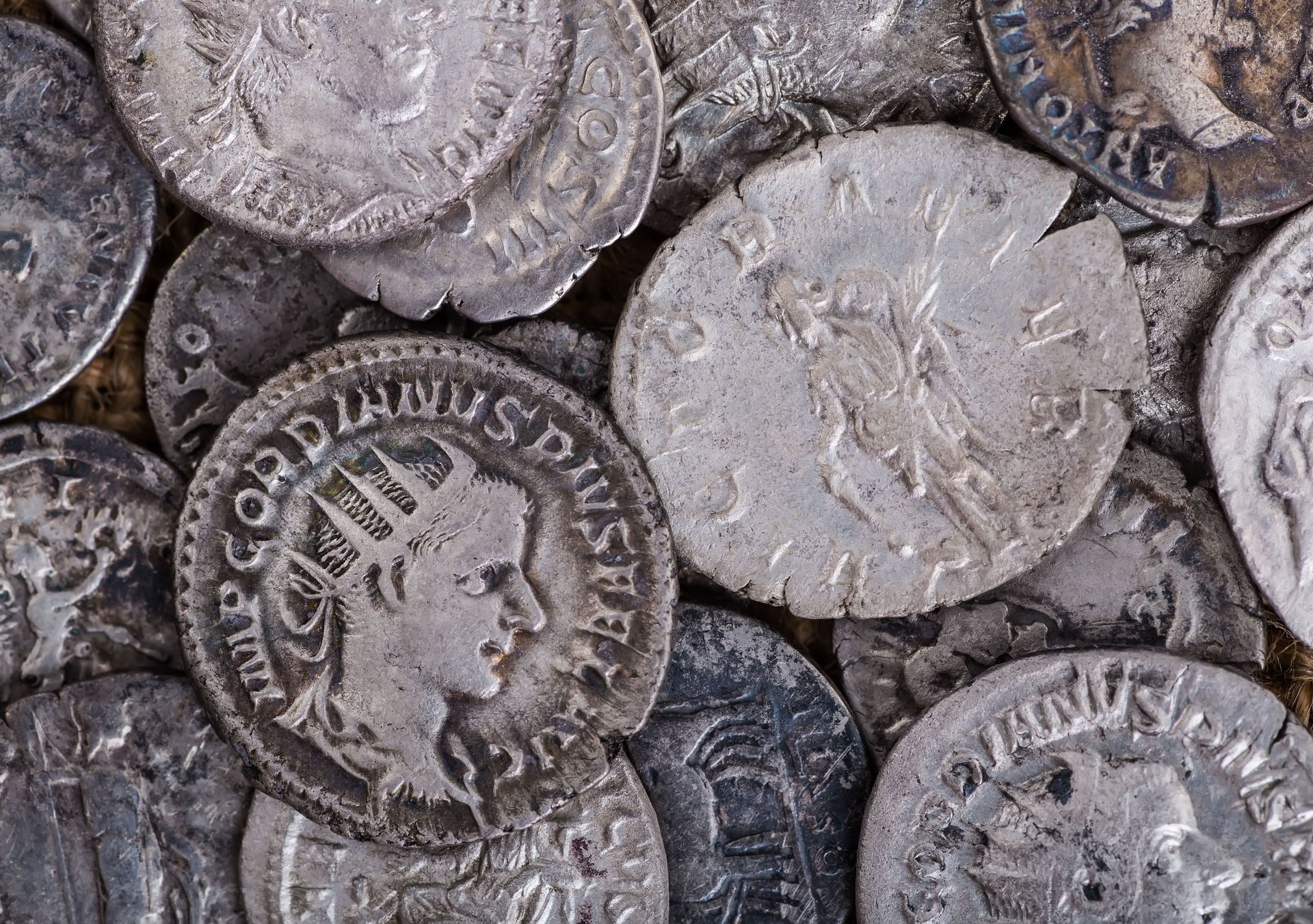
Rare coins serve as valuable historical records that often complement or even surpass written documentation. Coins frequently depict rulers, symbols of authority, religious imagery, and important milestones. In some cases, a coin may be the only surviving evidence of a short-lived reign or political transition. This makes rare coins indispensable tools for historians and collectors alike.
The materials, weight, and inscriptions on a coin can reveal information about an economy's stability and priorities. Changes in design may indicate shifts in leadership, ideology, or national identity. Even imperfections, such as minting errors or uneven wear, can provide insight into production methods and circulation patterns. Each detail contributes to a broader historical narrative.
Unlike manuscripts or monuments, coins were designed to endure frequent handling and travel. Their durability has allowed many rare coins to survive for centuries in recognizable condition. This resilience is one reason collectors today can hold objects that once circulated in ancient marketplaces or medieval trade routes. A rare coin connects modern collectors directly to the daily lives of people from the past.
The Development of Numismatics
As interest in coins grew, collecting evolved into a more structured discipline known as numismatics. Numismatics encompasses the study of coins, paper currency, medals, and tokens, focusing on their historical, artistic, and economic contexts. By the 18th and 19th centuries, collectors began organizing their collections more systematically. This period marked a turning point in how coins were studied and valued.
Reference books, catalogs, and classification systems emerged to help collectors identify and compare coins. These tools introduced standardized terminology and grading concepts that remain influential today. As knowledge became more widely shared, collecting expanded beyond private elites to scholars, enthusiasts, and institutions. This broader participation helped legitimize rare coin collecting as both a scholarly and recreational pursuit.
Organizations and clubs formed to support education and ethical practices within the hobby. These groups encouraged research, preservation, and open discussion among collectors. They also helped establish trust in the marketplace by promoting authentication and grading standards. Numismatics became not just a hobby, but a respected field of study.
A Milestone in the Collecting Community
The mid-20th century marked a significant moment in the history of rare coin collecting. According to Metalswired, the first international convention for coin collectors was held in August 1962 in Detroit, Michigan. This event brought together collectors, dealers, and experts from around the world in one shared space. It represented a new level of collaboration within the global collecting community.
The convention allowed participants to exchange knowledge, view rare coins in person, and discuss trends shaping the market. It also helped promote consistent grading practices and ethical standards across borders. Collectors who once worked in isolation could now engage directly with others who shared their interests. This sense of community strengthened confidence in the hobby and encouraged its growth.
Since that milestone event, conventions and exhibitions have continued to play a vital role in numismatics. They provide educational opportunities, foster relationships, and help preserve best practices. For many collectors, these gatherings are essential to staying informed and connected. The 1962 convention remains a defining moment in the evolution of rare coin collecting.
Artistic and Cultural Significance
Rare coins are also valued for their artistic merit and cultural symbolism. Skilled engravers have long used coins to showcase craftsmanship, creativity, and national identity. From detailed portraits to symbolic imagery, coins reflect the aesthetic values of their time. These designs often convey messages about power, faith, or unity.
Cultural elements such as language, mythology, and political ideals are embedded in many coin designs. Studying these features provides insight into how societies viewed themselves and wished to be remembered. For collectors, this artistic dimension adds depth and meaning to each piece. A
rare coin becomes not just an object, but a cultural artifact.
This combination of art and history makes rare coins uniquely compelling. They are small enough to hold, yet rich enough to inspire research and reflection. Collectors often find that the stories behind the designs are as fascinating as the coins themselves.
Why Rare Coins Continue to Matter
Rare coins offer something tangible and enduring. They provide a physical link to history that cannot be replicated through images or records alone. Holding a rare coin allows collectors to experience the past in a direct and personal way. This connection remains deeply compelling.
Rare coins also serve as educational tools that spark curiosity and learning. They encourage research into history, economics, and art. For many collectors, the pursuit becomes a lifelong journey of discovery. Each coin adds a new chapter to that journey.
Ultimately, rare coins matter because they represent continuity. They remind us that societies evolve, but their stories endure. Through collecting, these stories are preserved and shared, allowing history to remain tangible rather than abstract. That enduring relevance ensures rare coins will remain significant for generations to come.
Understanding the history and significance of rare coins enriches the collecting experience. It transforms ownership into stewardship and curiosity into knowledge. Whether you're building your first collection or evaluating coins you already own, the knowledgeable team at Center Gold Jewelers can help you navigate the process with confidence. From identifying authentic pieces to understanding market value and historical importance, their experts provide personalized guidance every step of the way. Contact us today to get started.











Share On: